Author: Vitaliy Dadalyan

Test Drive: There’s Much to Like About Volvo’s New VNL

<img width="150" src="http://www.automotive-fleet.com/fc_images/articles/m-hdtoct17-volvo-1-jp-1.jpg" border="0" alt="

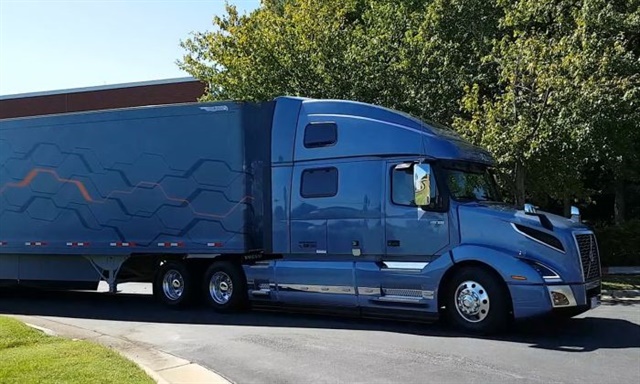
Volvo's flagship VNL 860 sports a 77-inch high-roof sleeper and a 455-hp, 1850/1550 lb-ft D13 turbo-compound engine with the XE Economy downsped driveline. Photos: Jim Park

">

Volvo's flagship VNL 860 sports a 77-inch high-roof sleeper and a 455-hp, 1850/1550 lb-ft D13 turbo-compound engine with the XE Economy downsped driveline. Photos: Jim Park

">

Many suspected when Volvo took the wraps off its SuperTruck that it would be the shape of Volvo trucks to come. Volvo's VNR regional trucks, introduced in April, and the flagship VNL series, launched in July, both feature the signature headlight design, the swept fenders and a generally rounder and less textured shape than their predecessors.

Volvo has much to crow about with the new VNL lineup. The shape and the sculpting they've done to the side fairings, the hood and the bumper have netted a full percentage point gain in aero efficiency. That's quite an achievement today, when we are used to hearing about fractions of a percent of improvement.

According to Volvo, the aero improvements, coupled with some powertrain enhancements like turbo-compounding for the GHG17-compliant D13 engine and a downsped driveline that likes to cruise at 1,100 rpm, deliver a stunning 7.5% gain in fuel efficiency compared to the latest models of the previous-generation VN tractors. Only time will tell if that's realistic, but if it is, we're a significant step closer to the elusive 10-mpg mark.

The changes to the exterior of the truck include a narrower hood with a lower crown and more rounded leading edges, more rounded fenders with the integrated headlights, and smoother chassis fairings with a flexible extender that reaches even closer to the ground for improved crosswind performance. There's no longer an opening in the chassis fairing for the DEF tank fill; it's now covered with an automotive-style sprung door. The changes to the chassis fairings did not, however, mean changes to the full-sized and deeply serrated access steps. Safety is still a very important consideration for Volvo.

The bumper ...Read the rest of this story
UPS to Convert Diesel Delivery Trucks to Electric

<img width="150" src="http://www.automotive-fleet.com/fc_images/news/m-ups-electric-1.jpg" border="0" alt="

Photo courtesy of UPS.

">

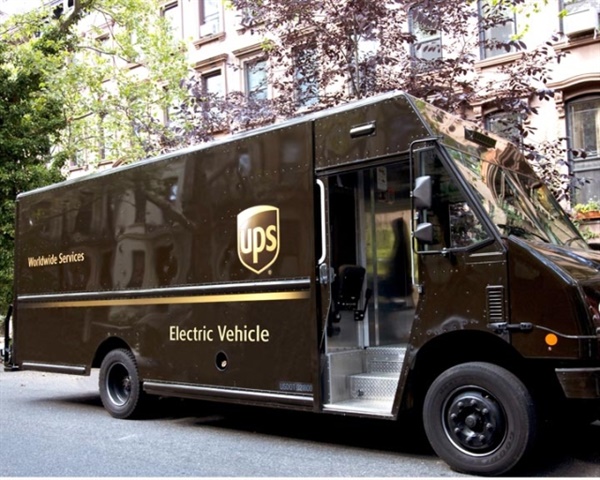
Photo courtesy of UPS.

">

UPS and the New York State Energy Research and Development Authority (NYSERDA) plan to use new technology to convert UPS package delivery vehicles from diesel to electric, UPS has announced.

UPS and Unique Electric Solutions LLC (UES) will design, build, test, and make the conversions. The project supports Gov. Andrew Cuomo's goal to reduce greenhouse gas emissions 40% by 2030 by replacing diesel vehicles with clean technology.

“Public-private partnerships help push innovation forward and transform industries,” said Carlton Rose, UPS president of global fleet maintenance and engineering. “This program will help UPS develop and deploy electric delivery trucks faster and more affordable. Because they are cleaner and quieter, electric vehicles are ideal for dense urban environments like New York City and are a critical part of our strategy for the future.”

NYSERDA is providing $500,000 in funding to develop and test the conversion system. If successful, the Bronx-based project is expected to bring a production version of the converted truck to the streets of New York City by the spring.

In addition to producing a new, cost-effective all-electric conversion kit, the project will deliver a blueprint for converting up to three UPS vehicles a day. This could lead to the conversion of up to 1,500 UPS delivery trucks, which is about 66% of UPS's NYC fleet, operating in New York City by 2022.

The conversions will be based on electric vehicle technology developed by Unique Electric Solutions. The core system features a 225-kilowatt Switched Reluctance Motor (SRM) with a high voltage backbone optimized for the duty cycle of UPS delivery trucks. SRMs are simpler, cheaper and better suited for electric vehicles over conventional induction motors and do not rely on the use of magnets made from imported rare earth metals like permanent magnet motors do, according to UPS.

The UES SRM propulsion system ...Read the rest of this story

Truck Driver Gets the Blame in Driverless Shuttle Bus Crash

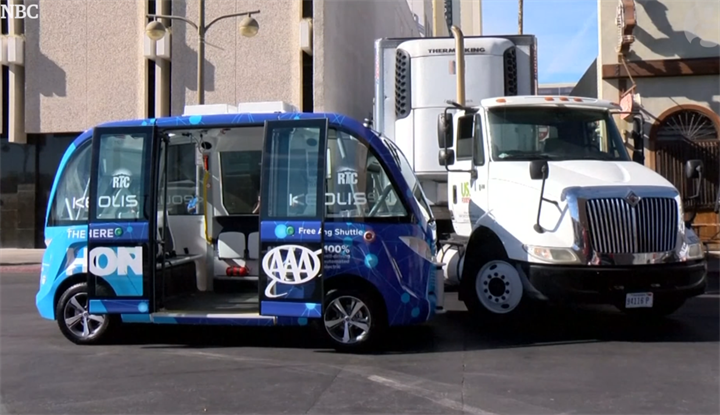
It's hard not to chuckle at this one, partly for the silly situation, but also for how the blame has been shifted to the truck driver. Various media outlets are reporting a fender bender collision (literally) between a driverless shuttle bus and a tractor-trailer in Las Vegas on November 8. The shuttle bus had been unveiled just two hours earlier, billed as the nation's first self-driving shuttle pilot-project geared toward the public.

The egg-shaped people mover has no driver controls but did have a human monitor onboard. According to reports, the bus was gently struck by a tractor-trailer in the midst of a backing maneuver. Images show the truck partially backed into an alley, with the shuttle bus up against the right fender of the truck. The truck driver was cited for "illegal backing," the mainstream media reports.

Some press reports are quoting a statement released by the City of Las Vegas, suggesting the collision could have been prevented if the truck had been equipped with the same collision avoidance technology the bus was using.

"The shuttle did what it was supposed to do, in that it's (sic) sensors registered the truck and the shuttle stopped to avoid the accident," the city said in a statement. "Unfortunately the delivery truck did not stop and grazed the front fender of the shuttle. Had the truck had the same sensing equipment that the shuttle has the accident would have been avoided."

I wasn't there to witness the incident, but having backed trucks into alleyways thousands of times, here's how I see the event unfolding: the truck driver sets up for the backing maneuver, positioning the tractor and trailer at some angle aiming the rear of the trailer toward the alley. The tractor would likely have been facing away from the oncoming shuttle bus, and ...Read the rest of this story

Nikola Sources Fuel Cell Suppliers

<img width="150" src="http://www.automotive-fleet.com/fc_images/news/m-nikola-one-5-2.jpg" border="0" alt="

Image via Nikola Motor Company

">

Image via Nikola Motor Company

">

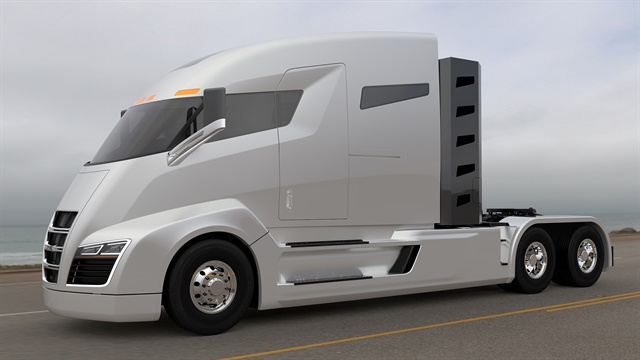
Nikola Motor Company has officially named Bosch and PowerCell AB as the primary suppliers of its fuel cells for the upcoming Nikola Class 8 hydrogen-electric truck.

The fuel cell used in the Nikola truck is projected to output more than 300 kilowatts continuously and was designed to handle the lease period of one million miles per truck. Nikola says its fuel cell will be one of the most power dense and advanced fuel cells on the market and is a critical piece of the Nikola drivetrain.

Nikola has been a partner with Nikola on the electric powertrain, developing a dual-motor commercial vehicle powertrain based on the company's eAxel design as well as the fuel cell.

“Our relationship with Bosch also gives us access to their experienced engineering team which is one of the largest and most respected in the world,” said Nikola Motor CEO Trevor Milton. “This relationship will be helpful in bringing our products to market as quickly and safely as possible. Design of reliable systems for commercial vehicles takes decades of experience and Bosch brings that to our relationship.”

Joining the fuel cell development team is PowerCell AB of Sweden as the primary stack supplier for the fuel cells in the first pre-production testing vehicles. If all goes well during road testing, PowerCell will be integrated into the production lineup, according to Nikola. Nikola plans to announce a secondary stack supplier in 2018 that will act as a backup and overflow for any testing issues or production bottlenecks.

The fully operational, pre-production Nikola Two day-cab will begin testing in Fall of 2018. Following its release, the Nikola Two will undergo a rigorous 12-month testing period in extreme climates. This testing period will give the company valuable data in preparation for full production in 2021.

The first 5,000 trucks will ...Read the rest of this story