ASA adds heavy duty observer that hears what you can't see
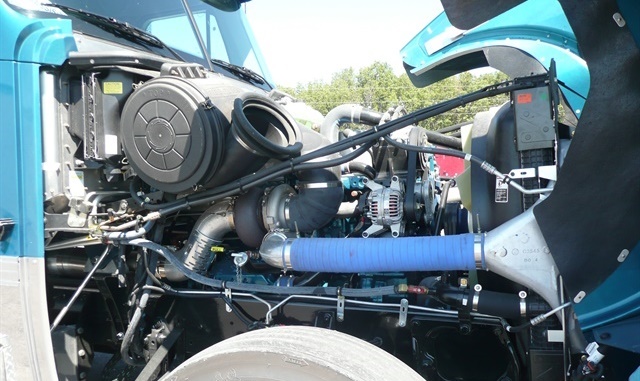
A new glider kit fitted with an old engine. Photo: Tom Berg
">A new glider kit fitted with an old engine. Photo: Tom Berg
">Following up on an August promise to review Greenhouse Gas Emissions and Fuel Standards Phase 2 rule due to concerns raised by certain manufacturers, the Environmental Protection Agency issued a proposed rule on Nov. 9 that would repeal emission requirements for glider vehicles, glider engines, and glider kits.
As written, the new rule does not limit the kits' production, but only allows them to be installed for their traditional uses, such as engine salvage.
The GHG Phase 2 rule, adopted during the final months of the Obama administration, is slated to go into effect Jan. 1.
Now, under the purview of Administrator Scott Pruitt, EPA is moving ahead with its promise to repeal the glider provision found in the 2016 Clean Truck Standards, despite support for the provision from some industry stakeholders.
According to The Washington Post, a Sept. 11 letter to Pruitt urged him not to reopen the rule, stating that glider kits “should not be used for circumventing purchase of currently certified powertrains.”
The letter was signed by executives from Volvo Group North America, Cummins, and Navistar. The companies noted that they were joining the Truck and Engine Manufacturers Association, the American Trucking Associations, and the Truck Rental and Leasing Association in supporting the mandate as written.
Environmental impact and public health are two of the biggest concerns for groups advocating for full application of the Phase 2 rule.
According to the Environmental Defense Fund, used engine gliders can emit almost 40 times more pollution than modern engines and that, if allowed to operate until 2025, glider vehicles would cause as many as 12,800 premature deaths.
“The health impacts are even more galling when you consider that this is essentially just a handout to one company, Fitzgerald Glider ...Read the rest of this story
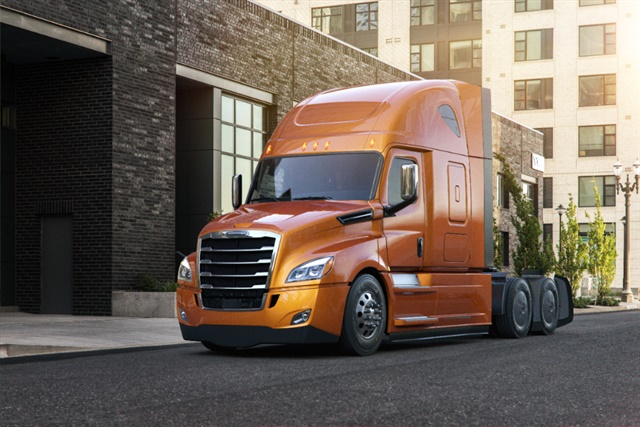
New Cascadia 126-inch BBC, 60-inch raised roof sleeper shown with AeroX aerodynamic option and Elite exterior trim package. Photo: Freightliner Trucks
">New Cascadia 126-inch BBC, 60-inch raised roof sleeper shown with AeroX aerodynamic option and Elite exterior trim package. Photo: Freightliner Trucks
">Freightliner's new Cascadia will now be offered in a 60-inch raised roof sleeper model in both 116- and 126-inch BBC platforms.
“With the shorter wheelbase and reduced weight versus a 72-inch sleeper, this truck spec is lighter and more maneuverable, while still giving drivers a comfortable, spacious area to work and rest,” said Mike McHorse, manager, on-highway product marketing, Freightliner Trucks.
The new 60-inch raised roof sleeper's interior features a lower bunk with storage underneath, and a choice of either a cargo shelf for additional storage or an upper bunk with a telescoping ladder, providing easy access for team drivers. There is also a longer wardrobe cabinet for hanging clothes, a large microwave cabinet, an optional flat-panel TV bracket and an area for customer-supplied refrigerators or coolers.
For better fuel efficiency, the new 60-inch raised roof configuration is available with either Aero or AeroX aerodynamic packages. It features the Integrated Detroit Powertrain with either a DD13 or DD15 engine, as well as the DT12 transmission with Intelligent Powertrain Management, and Detroit axles with axle lubrication management. The new configuration is also available with Cummins X15 engines and Eaton Fuller Advantage transmissions.
Freightliner Trucks has already announced 48-, 60- and 72-inch mid-roof XT sleeper cabs in both 116- and 126-inch BBC platforms. Those models are designed for regional overnight haulers and bulk haul and flatbed applications. Customers can now place orders for delivery of all cab configurations in January. They can also digitally configure the interior and exterior at freightliner.com/configurator.
Related: Learn About Freightliner's Next-Generation Cascadia
Follow @HDTrucking on Twitter
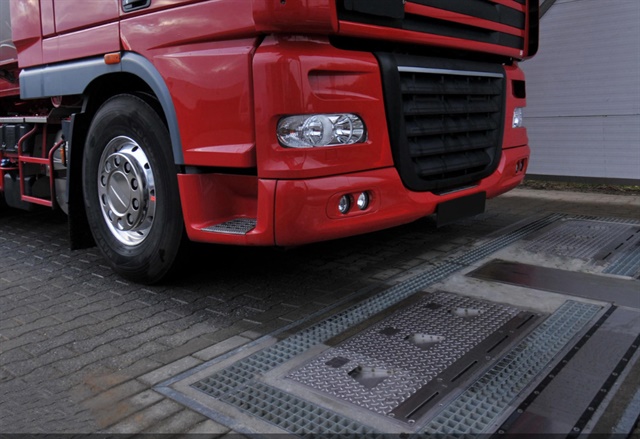
...Read the rest of this storyGoodyear Tire & Rubber Company has agreed to acquire Ventech Systems of Dorsten, Germany, from Grenzebach Maschinenbau GmbH. Photo: Goodyear Tire & Rubber
">Goodyear Tire & Rubber Company has agreed to acquire Ventech Systems of Dorsten, Germany, from Grenzebach Maschinenbau GmbH. Photo: Goodyear Tire & Rubber
">Goodyear Tire & Rubber has completed the acquisition of Ventech Systems GmbH, a provider of automated tire inspection technology.
The company, based in Dorsten, Germany, will be integrated into the Goodyear Proactive Solutions business in the Europe, Middle East, and Africa region, where Goodyear's Proactive Solutions program is currently available. Andrew Weisz, managing director of Goodyear Proactive Solutions, has been named chief executive officer of Ventech Systems. Andreas Pietsch, Ventech Systems chief operating officer will remain in that position.
Ventech Systems provides a fully-automated tire inspection system that checks tire pressure, tread depth, and vehicle weight for buses, trucks, cars and other vehicles. The acquisition is aimed at strengthening Goodyear's one-stop value proposition towards fleets, including premium tires, advanced technology, and mobile fleet solutions as well as a complete service package to allow them to optimize their total cost of ownership and efficiency.
Related: How to Reduce the Burden of Tire Maintenance
Follow @HDTrucking on Twitter
...Read the rest of this story