<img width="150" src="http://www.automotive-fleet.com/fc_images/blogs/m-rush-call-center-1.jpg" border="0" alt="
A Rush Call Center technician in San Antonio, TX, works a repair problem for a customer with a truck down in Indianapolis. Photo: Jack Roberts
">
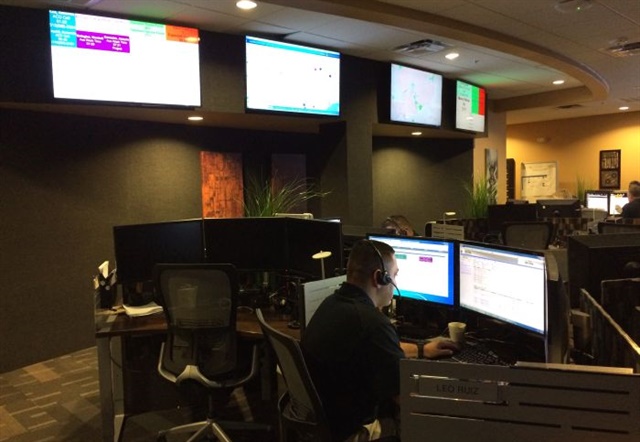
A Rush Call Center technician in San Antonio, TX, works a repair problem for a customer with a truck down in Indianapolis. Photo: Jack Roberts
">I'm on record saying that telematics will be the next big game-changer in trucking - one of those advances where, in 5 to 10 years, you'll wonder how you ever managed to keep a truck fleet rolling without it.
Telematics as been building at a slow boil for several years now. And we're getting close to the point where it's about to really take off. To this point, almost all of the ground work in getting dedicated — and workable — telematics systems up and running has come from the truck OEMs. And that makes a lot of sense - they are the entities with the money, expertise, and eventual payoff once vehicle telematics reach their full potential in fleet operations.
But the reality is that regardless of how good an OEM's proprietary telematics system is, it will be the dealerships that make or break the technology. It's the dealers who will buy in and deliver the enhanced service with decreased downtime.
And while most dealerships are content to adopt their OEM's system and training, a strong signal that telematics are truly going to be big is that fact that some larger dealerships are developing their own systems to better support their customer base.
Rush Truck Centers is a case in point. I was able to tour Rush's new Call Center on the outskirts of San Antonio in mid-December and came away deeply impressed with the company's all-in commitment to using telematics as a way to take customer and vehicle support to the next level.
Brian Mulshine, director of operations, technology, and innovation, has been on the forefront of telematics technology dating back to his days with International. Today he's helped