How to Plan for the Surge in Truck Demand
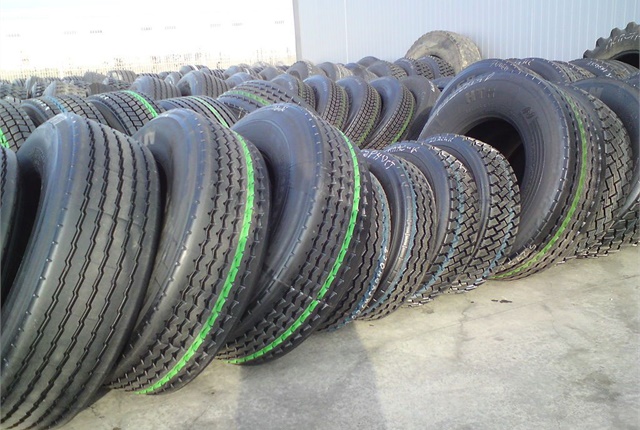
As you may be aware, there has recently been a surge in demand for Class 5-8 trucks and tractors, which in turn has led to the follow-on surge in trailer demand as well. This kind of surge puts a tremendous strain on the companies that supply key components for these products, such as the manufacturers for tires, engines, and transmissions. Photo courtesy of Biso via Wikimedia.
‘ width=”336″ height=”226″>
In addition, there are countless other components that are often not considered that may also be limited in “through-put” from their respective manufacturers.
As a result, there will more than likely be shortages coming down the pipeline for these components. One example would be windshields. Every commercial vehicle requires glass for front, side, and, in some cases, rear windows — not to mention those trucks and tractors that are equipped with the bottom “peep” windows.
An increase in demand of 10% to 15% could be handled by adding shifts, overtime, and additional workers, however costly that may be to the manufacturer. But can the supply chain handle the same surge? How long will the specific manufacturers need to ramp up to these levels of demand?
Not only will the manufacturers require more time, but the raw material suppliers will also need to be allowed a period of ramping up. Every component supplier and their sub-component suppliers, as well as the raw materials suppliers, will need time and additional investment capital to accommodate these new levels of demand for their products.
Once the labor issue has been addressed, it is important to note that the manufacturing machinery used in these processes has limits as well. Additional machinery will need to be added by these companies, which will not only require additional manpower as previously mentioned, but also additional space.
Does the factory …Read the rest of this story
