Bridgestone Names New GCR President
Photo: Bridgestone Americas Inc.
" >Photo: Bridgestone Americas Inc.
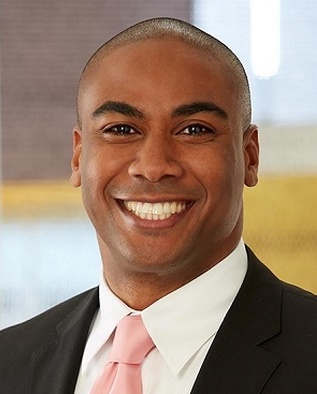
" width="225" height="280">Bridgestone Americas announced that Damien Harmon, current chief operating officer of Bridgestone Retail Operations, has been named president of GCR Tires & Service, effective Nov. 1, 2017.
As president, Harmon will drive the strategic growth of GCR commercial tire and service store locations in North America.
Harmon joined Bridgestone in June 2014 as vice president of operations for Bridgestone Retail Operations. He was promoted to COO where he lead service capability, customer retention, information technology, teammate training, and business development for the company's 2,200 consumer tire and automotive service locations.
Before joining Bridgestone, Harmon spent nine years at Best Buy, where he developed business strategy, merchandising and marketing programming, vendor relationships, and solutions initiatives at the corporate and field levels.
Harmon succeeds John Vasuta, who was named senior vice president of global sales for Firestone Building Products.
Related: Bridgestone Names Head of North American Commercial Business
Follow @HDTrucking on Twitter
...Read the rest of this story