Opponents decry EPA’s glider kit proposal during public hearing
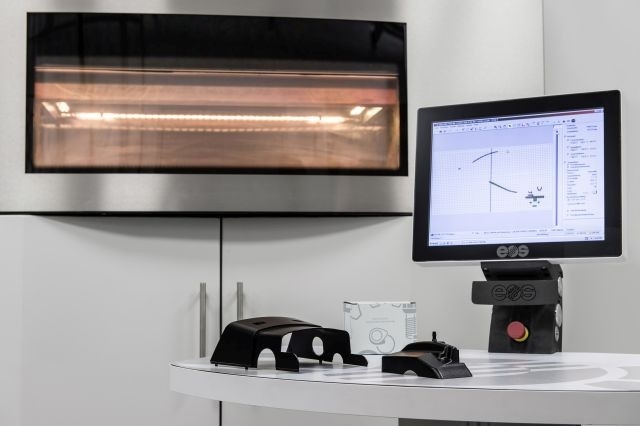
Mercedes-Benz Trucks already successfully produces 30 spare parts with the latest 3D SLS printing processes. Photo: Daimler
">Daimler Trucks North America has announced will make its first delivery of plastic parts produced using 3D printing technology in the coming weeks as part of a pilot program.
During the pilot phase of the 3D printed parts program, DTNA will release a controlled quantity of 3D printed parts and will invite feedback from customers and technicians that receive them. The company will collect data on the parts performance and assess potential future demand for 3D printed parts.
DTNA sees 3D printing as an opportunity to better service customers, particularly those customers in need of parts that have been difficult to provide through traditional supply chain models, such as for older trucks or parts with low or intermittent demand.
To print the parts, DTNA partnered with the 3D printing service bureau, Technology House, which has over 20 years of experience in additive manufacturing. The companies have made the first parts available to customers with Selective Laser Sintering. The SLS process refers to layering powder in a print chamber and then “selectively” melting a pattern with lasers before adding the next layer. The 3D printed parts have been validated to meet durability requirements and many will appear no different to the untrained eye, according to DTNA. During the pilot phase, only parts such as nameplates, map pockets, and plastic covers will be printed and delivered.
Parts that are eligible for 3D printing are being stored in DTNA's digital warehouse. This allows a part to be printed on demand with shorter lead times. Without the need to maintain tooling, these parts will remain available to customers when needed.
On-demand 3D printing also removes the need of holding physical inventory. Currently, the order process takes 2-4 weeks, but once the program is ...Read the rest of this story

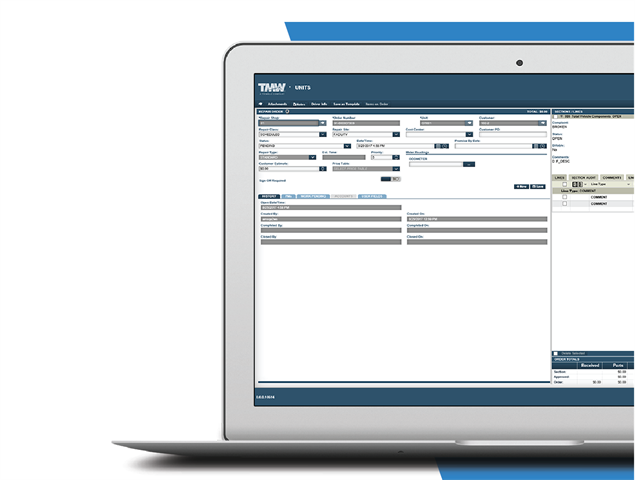
TMW Systems has made the TMT Fleet Maintenance software add-in available on the Geotab marketplace, designed to meet the maintenance needs and challenges of heavy-duty vehicle fleets.
TMT Fleet Maintenance leverages Geotab's telematics data such as miles driven or hours in operation, as well as accurate vehicle position to schedule ongoing and emergency repairs for fleets. The software can help fleets avoid breakdowns and schedule accurate preventive maintenance.
“With this integration between Geotab and TMT Fleet Maintenance, customers can benefit from a direct line between the vehicle, the driver and the shop,” said Scott Vanselous, executive vice president marketing & general manager fleet maintenance solutions at TMW Systems. “The end result is that vehicles are ready to roll when they are needed - not waiting in the shop for parts and not sitting on the side of the road with an unknown fault.”
TMT Fleet Maintenance allows fleets to streamline in-house maintenance and repair organizations as well as track and monitor outsourced maintenance activities for audit and vehicle lifecycle reporting. Additional benefits include DVIR and fault code connectivity and real-time preventative maintenance notifications within TMT.
“TMT Fleet Maintenance enables fleets to improve vehicle uptime, safety and availability” said Scott Sutarik, associate vice president, commercial vehicle solutions at Geotab. “With this integration from TMW Systems, Geotab is able to provide our heavy truck customers with an actionable solution to help them solve their maintenance challenges.”
Follow @HDTrucking on Twitter
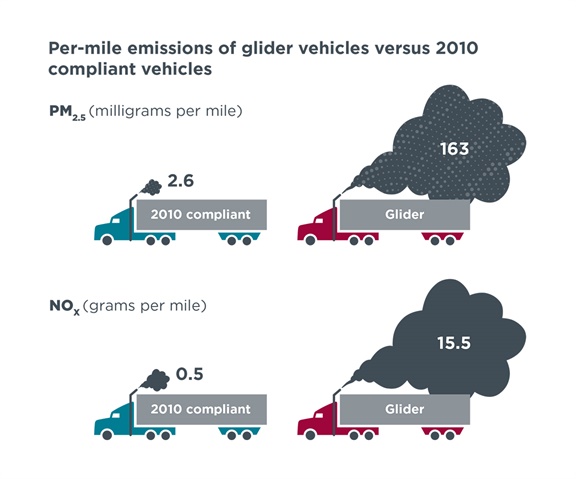
...Read the rest of this storyThis ICCT graphic shows per-mile emissions of glider vehicles vs. EPA-2010 trucks. Results derived from
This ICCT graphic shows per-mile emissions of glider vehicles vs. EPA-2010 trucks. Results derived from testing conducted by EPA's National Vehicle & Fuel Emissions Laboratory. Results reflect a 95% weighting of highway activity and 5% weighting of transient activity for a test vehicle with a combined weight of 60,000 pounds.
">Opponents of the Environmental Protection Agency's proposal to roll back the glider kit portion of its greenhouse gas emissions regulations testified Monday that the agency is ignoring its own research and that excepting gliders will put truck and engine makers at a significant competitive disadvantage.
A public hearing in Washington, D.C., Monday, was scheduled to gather comment on the EPA's recent proposed rulemaking to eliminate provisions affecting glider kits within the Phase 2 Greenhouse Gas Emissions and Fuel Efficiency Standards, which start to take effect in January.
The Phase 2 rules as written would allow glider kits only for their original purpose, which was seen as reclaiming powertrains from wrecked trucks and reusing them in new bodies and chassis. But the EPA announced earlier this fall a proposal to drop the glider kit portion of the regulation.
Rachel Muncrief, the heavy-duty program director for the International Council on Clean Transportation and a participant in Monday's hearing, called them “zombie trucks,” writing in a recent blog post, “Scott Pruitt's EPA is bringing the oldest and dirtiest diesel engines back from the dead—but disguising them in a shiny new host body. How? In the form of the innocuous-sounding glider truck.”
The EPA's proposal to undo the glider kit portion of the GHG regs “would undermine investments made in the industry, encourage the use of older, less efficient technologies, and increase smog-forming pollution that harms public health,” said Pat Quinn, executive director of the Heavy Duty Fuel Efficiency Leadership Group. This “informal ...Read the rest of this story