What’s Ahead for Wide-Base Single Tires?
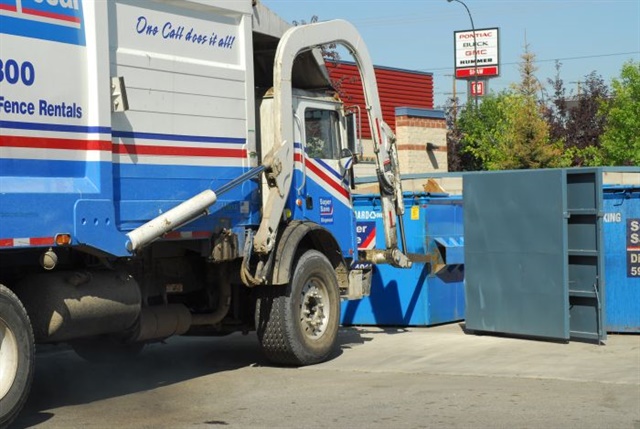
Wide-base single tires could start showing up on vocational trucks such as refuse haulers under GHG Phase 2. EPA likes the fuel efficiency, while operators like the weight savings. Photos: Jim Park
“>
Wide-base single tires could start showing up on vocational trucks such as refuse haulers under GHG Phase 2. EPA likes the fuel efficiency, while operators like the weight savings. Photos: Jim Park
“>
Could the next round of greenhouse gas reduction rules push more fleets over to wide-base single tires? It seems likely, given not only their relatively low rolling resistance but weight savings as well. While weight reduction is not necessarily a stand-alone criterion for the truck makers to gain build credits under the rules, it can be factored into the overall composition of the finished product.
“Weight savings remains the primary benefit of using wide-base truck tires,” explains Brian Buckham, general manager of product marketing at Goodyear. “Wide-base tires mounted on aluminum rims can reduce a truck’s GVWR by up to 1,100 pounds.”
In years past, fuel savings was touted as one benefit of running wide-base tires, but that dynamic is now less prevalent, thanks to the rise of super fuel-efficient duals that offer even more fuel efficiency, Buckham says. “In fact, super fuel-efficient duals have virtually eliminated the fuel savings advantage that wide-base tires enjoyed since their inception. This makes it tougher to quantify wide-base tires’ return on investment when it comes to reduced fuel consumption.”
But that’s not deterring the Environmental Protection Agency and the National Highway Traffic Safety Administration from putting them high on the list of credit-generating equipment specs. For the purposes of GHG Phase 2, the low-rolling-resistance attributes coupled with the overall weight savings make wide-base single tires a compelling choice.
“Product planners for the tire companies are looking at these rules very carefully right now,” says Tom Clauer, Yokohama’s corporate manager of commercial and OTR product planning. “It takes three years of development time to get a new tire to market. It’s trickier this time around because it’s …Read the rest of this story
