Ryder Reports Third Quarter 2021 Results
Third Quarter 2021
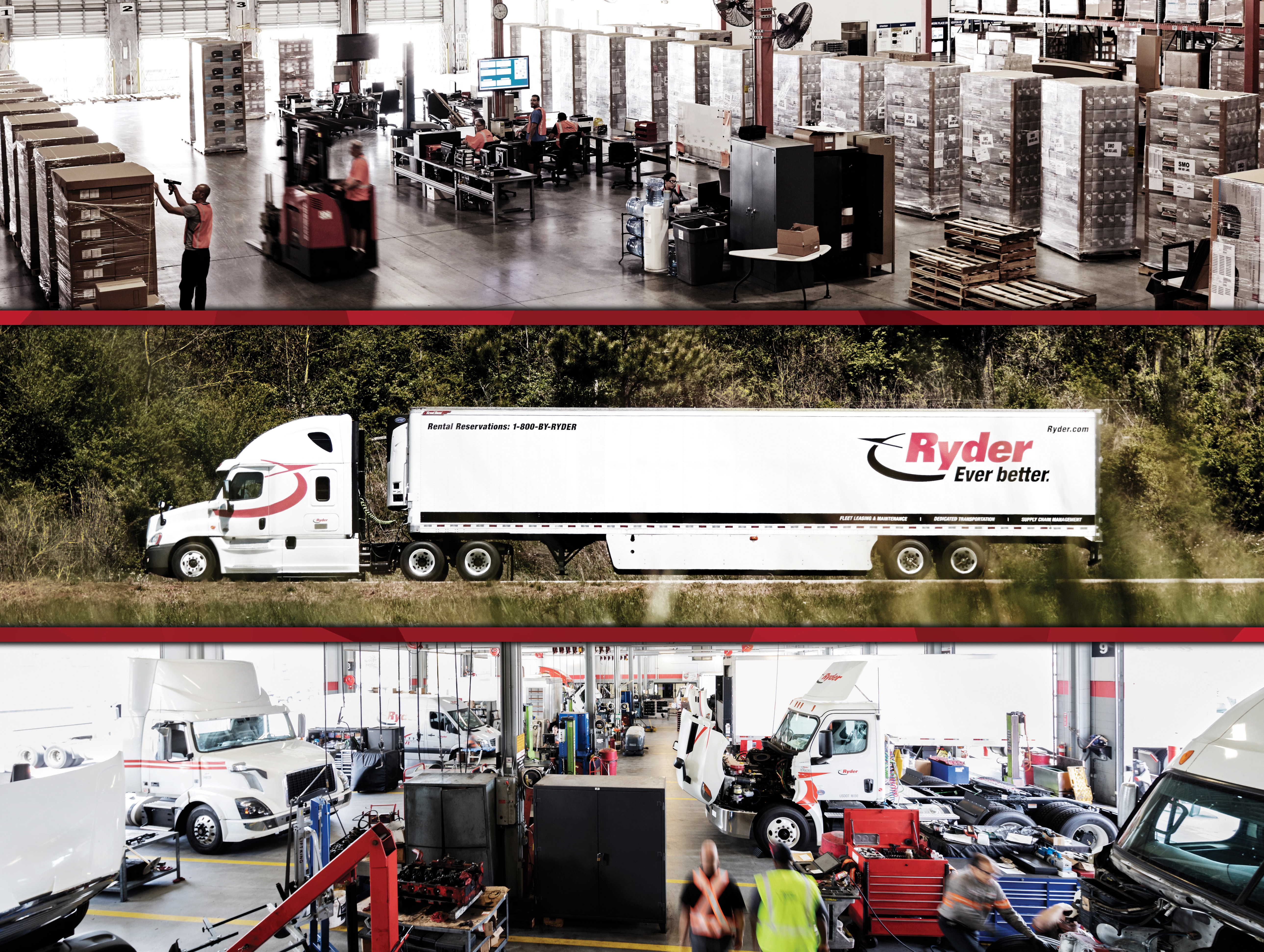
- GAAP EPS from continuing operations of $2.58 versus $0.85 in prior year, reflecting significantly improved results in fleet management solutions
- Comparable EPS (non-GAAP) from continuing operations of $2.55 versus $1.21 in prior year
- Total revenue of $2.5 billion and operating revenue (non-GAAP) of $2.0 billion up 14% and 11%, respectively, reflecting revenue growth across all business segments
Full-Year 2021 Forecast
- Increased GAAP EPS forecast to $8.60 – $8.70 from $7.40 – $7.70
- Increased comparable EPS (non-GAAP) forecast to $8.40 – $8.50 from $7.20 – $7.50
- Expect to achieve adjusted ROE (ROE) of 18% – 19%
- Maintained cash flow from operating activities forecast of $2.2 billion; increased free cash flow (non-GAAP) forecast to $1.0 billion – $1.1 billion
- Supply chain acquisition of Midwest Warehouse & Distribution System (Midwest) (expected to close early November) and new share repurchase programs consistent with disciplined capital allocation strategy
MIAMI–(BUSINESS WIRE)–Ryder System, Inc. (NYSE: R), a leader in supply chain, dedicated transportation, and fleet management solutions, reported results for the three months ended September 30 as follows:
|
(In millions, except EPS) |
Earnings (Loss) |
|
Earnings (Loss) |
|
Diluted Earnings |
||||||||||||||||||
|
|
2021 |
|
2020 |
|
2021 |
|
2020 |
|
2021 |
|
2020 |
||||||||||||
|
Continuing operations (GAAP) |
$ |
183.2 |
|
|
$ |
54.8 |
|
|
$ |
138.7 |
|
|
$ |
45.1 |
|
|
$ |
2.58 |
|
|
$ |
0.85 |
|
|
Comparable (non-GAAP) |
$ |
181.8 |
|
|
$ |
77.8 |
|
|
$ |
137.5 |
|
|
$ |
63.8 |
|
|
$ |
2.55 |
|
|
$ |
1.21 |
|
Total and operating revenue for the three months ended September 30 were as follows:
|
(In millions) |
Total Revenue |
|
Operating Revenue |
||||||||||||||
|
|
2021 |
|
2020 |
|
Change |
|
2021 |
|
2020 |
|
Change |
||||||
|
Total |
$ |
2,459 |
|
|
2,151 |
|
|
14% |
|
$ |
1,983 |
|
|
1,790 |
|
|
11% |
|
Fleet Management Solutions (FMS) |
$ |
1,436 |
|
|
1,297 |
|
|
11% |
|
$ |
1,248 |
|
|
1,153 |
|
|
8% |
|
Supply Chain Solutions (SCS) |
$ |
802 |
|
|
685 |
|
|
17% |
|
$ |
559 |
|
|
492 |
|
|
14% |
|
Dedicated Transportation Solutions (DTS) |
$ |
380 |
|
|
300 |
|
|
27% |
|
$ |
272 |
|
|
234 |
|
|
16% |
CEO Comment
Commenting on the company’s results and outlook, Ryder Chairman and CEO Robert Sanchez said, “We are pleased with our record third-quarter earnings results reflecting favorable demand and pricing in used vehicle sales and rental, as well as higher lease returns from our ongoing pricing initiatives. We realized 15.7% ROE while also generating strong free cash flow.
“Robust freight conditions combined with unprecedented supply chain and labor challenges provide growth opportunities as companies look for additional truck capacity and make long-term supply chain outsourcing decisions. In FMS, limited truck availability is driving increased demand and pricing across all service offerings. In SCS and DTS, we’re seeing record new contract wins which we fully expect will contribute to long-term profitable growth. Although labor shortages are affecting current results in DTS and SCS, we are encouraged by our early progress in implementing related price adjustments while delivering superior service. We also continue to work closely with our SCS automotive customers to mitigate the impact from their supply chain disruptions. We believe these actions position us well for improved returns in 2022.
“Our planned acquisition of Midwest adds multi-client warehouse operations to our portfolio of service offerings and is consistent with our strategy to accelerate SCS growth. We have also announced the authorization of anti-dilutive and discretionary share repurchase programs. Use of the new discretionary program is anticipated to occur over time, dependent on several factors including balance sheet leverage, the availability of quality acquisitions and stock price. With balance sheet leverage currently well below our target range, we have additional capacity to enhance shareholder value by deploying capital consistent with our disciplined capital allocation strategy.
“We now anticipate achieving ROE of 18% – 19% in 2021 while generating free cash flow of $1.0 billion – $1.1 billion. Higher ROE reflects actions we’ve taken to increase returns as well as a strong freight environment, which have resulted in improved performance in used vehicle sales, rental, and lease. Strong expected free cash flow reflects our disciplined capital allocation strategy, cash flow benefits from OEM delivery delays, and record proceeds from used vehicles sold.
“Looking toward the longer-term, we remain focused on initiatives to leverage disruptive trends in our industry and drive new sources of growth. For example, we recently announced strategic alliances with several autonomous trucking technology firms which enable us to utilize our expertise in asset management, maintenance, and transportation, positioning us as an innovative leader in this emerging space.”
Outlook
|
|
Full Year 2021 |
|
FY21 GAAP EPS |
$8.60 – $8.70 |
|
FY21 Comparable EPS (non-GAAP) |
$8.40 – $8.50 |
|
YOY Earnings Benefit from Lower Depreciation Impact (excl. UVS, net) |
~$180M |
|
|
|
|
ROE (1) |
18% – 19% |
|
Cash from Operating Activities |
~$2.2B |
|
Free Cash Flow (non-GAAP) |
$1.0B – $1.1B |
|
Capital Expenditures |
$1.9B – $2.0B |
|
Debt-to-Equity |
220% – 235% |
|
|
|
|
|
Fourth Quarter 2021 |
|
4Q21 GAAP EPS |
$2.27 – $2.37 |
|
4Q21 Comparable EPS (non-GAAP) |
$2.36 – $2.46 |
|
YOY Earnings Benefit from Lower Depreciation Impact (excl. UVS, net) |
~$35M |
|
|
|
|
(1) The non-GAAP elements of the calculation have been reconciled to the corresponding GAAP measures. A numerical reconciliation of net earnings to adjusted net earnings and average shareholders’ equity to ROE is provided in the Appendix – Non-GAAP Financial Measures at the end of this release. |
|
Third Quarter Business Segment Operating Results
Fleet Management Solutions: Higher Earnings Reflect Improved Used Vehicle Sales, Rental, and Lease Results
|
(In millions) |
3Q21 |
|
3Q20 |
|
Change |
|||
|
Total Revenue |
$ |
1,436 |
|
|
1,297 |
|
|
11% |
|
Operating Revenue (1) |
$ |
1,248 |
|
|
1,153 |
|
|
8% |
|
|
|
|
|
|
|
|||
|
Earnings Before Tax (EBT) (2) |
$ |
186 |
|
|
16 |
|
|
NM |
|
FMS EBT as a % of FMS total revenue |
13.0% |
|
1.2% |
|
NM |
|||
|
FMS EBT as a % of FMS operating revenue (1) |
14.9% |
|
1.4% |
|
NM |
|||
|
|
|
|
|
|
|
|||
|
Rolling 12-months EBT as % of total and operating revenue |
3Q21 |
|
3Q20 |
|
Change |
|||
|
FMS EBT as a % of FMS total revenue |
8.5% |
|
(5.4)% |
|
NM |
|||
|
FMS EBT as a % of FMS operating revenue (1) |
9.7% |
|
(6.1)% |
|
NM |
|||
|
|
|
|
|
|
|
|||
|
(1) Non-GAAP financial measure excluding fuel and lease liability insurance revenue. (2) EBT in 3Q21 and 3Q20 included $7M and $100M of depreciation expense, respectively, from the impact of policy and accelerated depreciation and used vehicle sales results due to prior residual values estimate changes and used vehicle sales results. NM – Not Meaningful |
||||||||
FMS total and operating revenue increased primarily due to higher rental revenue driven by strong demand and higher pricing. Total revenue also increased from higher fuel pricing.
FMS EBT increased by $170 million from improved used vehicle sales, rental, and lease performance. Higher gains on used vehicles sold and a declining impact of depreciation expense from prior vehicle residual value estimate changes contributed $93 million in higher year-over-year earnings. Used vehicle pricing on trucks and tractors doubled from the prior year, and ending inventory levels declined to 3,500 vehicles, which is below the company’s target range of 7,000 – 9,000 vehicles. Rental results benefited from a 9% increase in pricing and record utilization. Rental power fleet utilization increased to 83% (up from 71% in the prior year) on an 8% larger average power fleet. Lease results benefited from higher pricing with revenue per average active vehicle up 4%, partially offset by a 3% smaller average active lease fleet. FMS EBT as a percentage of FMS operating revenue surpassed the company’s long-term target of high single-digits. For the trailing 12-month period, FMS EBT as a percent of FMS operating revenue was in line with the target.
Supply Chain Solutions: Earnings from Revenue Growth More Than Offset by Lower Automotive Results, Higher Labor Costs, and Strategic Investments
|
(In millions) |
3Q21 |
|
3Q20 |
|
Change |
|||
|
Total Revenue |
$ |
802 |
|
|
685 |
|
|
17% |
|
Operating Revenue (1) |
$ |
559 |
|
|
492 |
|
|
14% |
|
|
|
|
|
|
|
|||
|
Earnings Before Tax (EBT) |
$ |
22 |
|
|
58 |
|
|
(62)% |
|
EBT as a % of total revenue |
2.8% |
|
8.4% |
|
(560) bps |
|||
|
EBT as a % of operating revenue (1) |
4.0% |
|
11.8% |
|
(780) bps |
|||
|
|
|
|
|
|
|
|||
|
Rolling 12-months EBT as % of total and operating revenue |
3Q21 |
|
3Q20 |
|
Change |
|||
|
EBT as a % of total revenue |
4.3% |
|
6.4% |
|
(210) bps |
|||
|
EBT as a % of operating revenue (1) |
6.2% |
|
8.6% |
|
(240) bps |
|||
|
|
|
|
|
|
|
|||
|
(1) Non-GAAP financial measure excluding fuel and subcontracted transportation. |
||||||||
SCS total revenue increased due to strong revenue growth in most industry verticals. SCS operating revenue increased due to new business, increased volumes, and higher pricing; however, it was partially offset by the impact from supply chain disruptions on automotive production.
SCS EBT declined primarily due to lower earnings from automotive supply chain disruptions, higher labor costs, and strategic investments, partially offset by earnings from new business. SCS EBT as a percentage of SCS operating revenue is below the company’s long-term target of high single-digits for both the current quarter and trailing 12-month period.
Dedicated Transportation Solutions: Earnings from Revenue Growth More Than Offset by Higher Labor and Insurance Costs
|
(In millions) |
3Q21 |
|
3Q20 |
|
Change |
|||
|
Total Revenue |
$ |
380 |
|
|
300 |
|
|
27% |
|
Operating Revenue (1) |
$ |
272 |
|
|
234 |
|
|
16% |
|
|
|
|
|
|
|
|||
|
Earnings Before Tax (EBT) |
$ |
11 |
|
|
25 |
|
|
(54)% |
|
EBT as a % of total revenue |
3.0% |
|
8.3% |
|
(530) bps |
|||
|
EBT as a % of operating revenue (1) |
4.2% |
|
10.6% |
|
(640) bps |
|||
|
|
|
|
|
|
|
|||
|
Rolling 12-months EBT as % of total and operating revenue |
3Q21 |
|
3Q20 |
|
Change |
|||
|
EBT as a % of total revenue |
3.9% |
|
6.0% |
|
(210) bps |
|||
|
EBT as a % of operating revenue (1) |
5.3% |
|
8.1% |
|
(280) bps |
|||
|
|
|
|
|
|
|
|||
|
(1) Non-GAAP financial measure excluding fuel and subcontracted transportation. |
||||||||
DTS total and operating revenue increased due to new business, higher volumes, and increased pricing. Revenue growth from new business was driven by wins from competitors and private fleet conversions.
DTS EBT decreased primarily due to increased labor and insurance costs, partially offset by earnings from new business. DTS EBT as a percentage of DTS operating revenue is below the company’s long-term target of high single-digits for both the current quarter and the rolling 12-month period.
Corporate Financial Information
Unallocated Central Support Services (CSS)
Unallocated CSS costs were $17 million as compared to $8 million in the prior year, primarily due to higher compensation-related expenses.
Income Taxes
Our effective income tax rate from continuing operations was 24.3% as compared to 17.7% in the prior year. The prior-year tax rate was impacted by a reduction in earnings due to depreciation charges.
Capital Expenditures, Cash Flow, and Leverage
Year-to-date capital expenditures increased to $1.5 billion in 2021 compared with $765 million in 2020 primarily due to higher planned investments in the rental fleet. The company’s full-year 2021 capital expenditures forecast decreased to $1.9 billion – $2.0 billion, reflecting the impact of vehicle delivery delays.
Year-to-date operating cash flow remained at $1.7 billion, reflecting higher earnings, offset by higher working capital needs. Free cash flow (a non-GAAP measure) was $829 million, down from $1.2 billion in 2020 due to an increase in capital expenditures, partially offset by higher proceeds from the sale of revenue-earning equipment. The company’s full-year 2021 forecast for cash from operating activities remains at approximately $2.2 billion. The forecast for free cash flow increased from $650 million – $750 million to $1.0 billion – $1.1 billion, reflecting cash-flow benefits from OEM vehicle delivery delays of approximately $400 million and higher proceeds from used vehicles sold.
Debt-to-equity as of September 30, 2021 declined to 238% from 293% at year-end 2020 and is below the company’s long-term target of 250 – 300%. The decrease in debt-to-equity from year-end 2020 reflects increased earnings and strong free-cash flow.
|
Supplemental Company Information
Third Quarter Net Earnings |
|||||||||||||
|
(In millions, except EPS) |
Earnings |
|
Diluted EPS |
||||||||||
|
|
2021 |
|
2020 |
|
2021 |
|
2020 |
||||||
|
Earnings (loss) from continuing operations |
$ |
138.7 |
|
|
45.1 |
|
|
$ |
2.58 |
|
|
0.85 |
|
|
Discontinued operations |
(0.6 |
) |
|
(9.3 |
) |
|
(0.01 |
) |
|
(0.17 |
) |
||
|
Net earnings (loss) |
$ |
138.1 |
|
|
35.8 |
|
|
$ |
2.57 |
|
|
0.68 |
|
|
|
|
|
|
|
|
||||
|
Year-to-Date Operating Results |
|
|
|
|
|
||||
|
|
|
|
|
|
|
||||
|
(In millions, except EPS) |
Nine months ended September 30, |
||||||||
|
|
2021 |
|
2020 |
|
Change |
||||
|
Total revenue |
$ |
7,062.9 |
|
|
6,207.2 |
|
|
14 |
% |
|
Operating revenue (non-GAAP) |
$ |
5,723.0 |
|
|
5,184.7 |
|
|
10 |
% |
|
|
|
|
|
|
|
||||
|
|
|
|
|
|
|
||||
|
Earnings (loss) from continuing operations |
$ |
339.8 |
|
|
(137.7 |
) |
|
NM |
|
|
Comparable earnings (loss) from continuing operations (non-GAAP) |
$ |
324.8 |
|
|
(57.7 |
) |
|
NM |
|
|
Net earnings (loss) |
$ |
338.0 |
|
|
(147.9 |
) |
|
NM |
|
|
|
|
|
|
|
|
||||
|
|
|
|
|
|
|
||||
|
Earnings (loss) per common share (EPS) – Diluted |
|
|
|
|
|
||||
|
Continuing operations |
$ |
6.33 |
|
|
(2.64 |
) |
|
NM |
|
|
Comparable (non-GAAP) |
$ |
6.05 |
|
|
(1.11 |
) |
|
NM |
|
|
Net earnings (loss) |
$ |
6.30 |
|
|
(2.83 |
) |
|
NM |
|
Business Description
Ryder System, Inc. is a leading supply chain, dedicated transportation, and fleet management solutions company. Ryder’s stock (NYSE: R) is a component of the Dow Jones Transportation Average and the S&P MidCap 400® index. The company’s financial performance is reported in the following three, inter-related business segments:
- Supply Chain Solutions – Ryder’s SCS business segment optimizes logistics networks to make them more responsive and able to be leveraged as a competitive advantage. Globally-recognized brands in the automotive, consumer goods, food and beverage, healthcare, industrial, oil and gas, technology, and retail industries rely on Ryder’s leading-edge technologies and world-class logistics engineers to help them deliver the goods that consumers use every day.
- Dedicated Transportation Solutions – Ryder’s DTS business segment combines the best of Ryder’s leasing and maintenance capability with the safest and most professional drivers in the industry. With a dedicated transportation solution, Ryder helps customers increase their competitive position, reduce risk, and integrate their transportation needs with their overall supply chain.
- Fleet Management Solutions – Ryder’s FMS business segment provides a broad range of services to help businesses of all sizes, across virtually every industry, deliver for their customers. From leasing, maintenance, and fueling, to rental and used vehicle sales, customers rely on Ryder’s expertise to help them lower their costs, redirect capital to other parts of their business, and focus on what they do best – so they can grow.
For more information on Ryder System, Inc., visit investors.ryder.com and ryder.com.
Note: Regarding Forward-Looking Statements
Certain statements and information included in this news release are “forward-looking statements” under the Federal Private Securities Litigation Reform Act of 1995, including our forecast, expectations regarding market trends and economic environment; impact of COVID-19 effects, including supply chain and labor shortage challenges, on market conditions, e-commerce trends, freight environment, earnings, depreciation, commercial rental demand and utilization, and used vehicle sales volume and pricing; expected benefits from and timing of our strategic investments and initiatives, including our acquisition of Midwest Warehouse & Distribution System; expected benefits of lease pricing initiatives; implementation of our asset management strategy; performance, including sales and revenue growth, in our product lines and segments; residual values and depreciation expense; used vehicle inventory; rental utilization; free cash flow; operating cash flow; capital expenditures; fleet growth; and profitability of our Ryder Last Mile operations. Our forward-looking statements also include our estimates of the impact of our changes to residual value estimates on earnings and depreciation expense. The expected impact of the change in residual value estimates is based on our current assessment of the residual values and useful lives of revenue-earning equipment based on multi-year trends and our outlook for the expected near- and long-term used vehicle market. Our assessment is subject to risks, uncertainties, and assumptions as to future events that may not prove to be accurate. Factors that could cause actual results related to vehicle residual values to materially differ from estimates include changes in supply and demand, competitor pricing, regulatory requirements, driver shortages, changes in customer requirements and preferences, as well as changes in underlying assumption factors.
All of our forward-looking statements should be evaluated by considering the many risks and uncertainties inherent in our business that could cause actual results and events to differ materially from those in the forward-looking statements. Important factors that could cause such differences include, the effect of the COVID-19 pandemic; our ability to adapt to changing market conditions, lower than expected contractual sales, decreases in commercial rental demand or utilization or poor acceptance of rental pricing, declining market demand for or excess supply of used vehicles impacting current or estimated pricing and our anticipated proportion of retail versus wholesale sales; declining customer demand for our services; higher than expected maintenance costs; lower than expected benefits from our cost-savings initiatives; lower than expected benefits from our sales, marketing and new product initiatives; higher than expected costs related to our ERP implementation; setbacks in the economic market or in our ability to retain profitable customer accounts; impact of changing laws and regulations; difficulty in obtaining adequate profit margins for our services; inability to maintain current pricing levels due to soft economic conditions, business interruptions or expenditures due to labor disputes, severe weather or natural occurrences; competition from other service providers and new entrants; driver and technician shortages resulting in higher procurement costs and turnover rates; impact of worldwide semiconductor shortage, higher than expected bad debt reserves or write-offs; decrease in credit ratings; increased debt costs; adequacy of accounting estimates; higher than expected reserves and accruals particularly with respect to pension, taxes, insurance and revenue; impact of changes in our residual value estimates and accounting policies, including our depreciation policy; unanticipated changes in fuel prices; unanticipated currency exchange rate fluctuations; our ability to manage our cost structure; and the risks described in our filings with the Securities and Exchange Commission (SEC). The risks included here are not exhaustive. New risks emerge from time to time and it is not possible for management to predict all such risk factors or to assess the impact of such risks on our business. Accordingly, we undertake no obligation to publicly update or revise any forward-looking statements, whether as a result of new information, future events, or otherwise.
Note: Regarding Non-GAAP Financial Measures
This news release includes certain non-GAAP financial measures as defined under SEC rules. Refer to Appendix – Non-GAAP Financial Measure Reconciliations at the end of the tables following this press release for reconciliations of the non-GAAP financial measures contained in this release to the nearest GAAP measure and why management believes that presentation of each measure provides useful information to investors. Additional information regarding non-GAAP financial measures as required by Regulation G and Item 10(e) of Regulation S-K can be found in our most recent Form 10-K, Form 10-Q and our Form 8-K filed as of the date of this release with the SEC, which are available at http://investors.ryder.com.
CONFERENCE CALL AND WEBCAST INFORMATION
Ryder’s earnings conference call and webcast is scheduled for October 27, 2021 at 11:00 a.m. ET. To join, click here.
LIVE AUDIO VIA PHONE
Toll Free Number: 888-352-6803
USA Toll Number: 323-701-0225
Audio Passcode: Ryder
Conference Leader: Bob Brunn
AUDIO REPLAY VIA PHONE
An audio replay of the call will be available one hour after call ends for 30 days.
Toll Free Number: 888-203-1112
USA Toll Number: 719-457-0820
Replay Passcode: 1420126
AUDIO REPLAY VIA MP3 DOWNLOAD
A podcast will be available within 24 hours after the end of the call. Click here then select Financials/Quarterly Reports and the date.
AUDIO & SLIDE REPLAY VIA INTERNET
An audio replay including the slide presentation will be available on the Internet within two hours following the call. Click here then select Financials/Quarterly Reports and the date.
Financial = ryder-financial
USA = ryder-usa
|
RYDER SYSTEM, INC. AND SUBSIDIARIES CONDENSED CONSOLIDATED STATEMENTS OF EARNINGS – UNAUDITED Periods ended September 30, 2021 and 2020 (In millions, except per share amounts) |
||||||||||||||
|
|
Three Months |
|
Nine Months |
|||||||||||
|
|
2021 |
|
2020 |
|
2021 |
|
2020 |
|||||||
|
|
|
|
|
|
|
|
|
|||||||
|
Lease & related maintenance and rental revenues |
$ |
1,014.0 |
|
|
933.8 |
|
|
$ |
2,941.1 |
|
|
2,730.2 |
|
|
|
Services revenue |
1,320.8 |
|
|
1,120.5 |
|
|
3,762.4 |
|
|
3,175.0 |
|
|||
|
Fuel services revenue |
124.3 |
|
|
96.3 |
|
|
359.4 |
|
|
302.0 |
|
|||
|
Total revenues |
2,459.0 |
|
|
2,150.6 |
|
|
7,062.9 |
|
|
6,207.2 |
|
|||
|
|
|
|
|
|
|
|
|
|||||||
|
Cost of lease & related maintenance and rental |
725.3 |
|
|
758.4 |
|
|
2,164.2 |
|
|
2,352.0 |
|
|||
|
Cost of services |
1,163.6 |
|
|
932.5 |
|
|
3,255.1 |
|
|
2,680.3 |
|
|||
|
Cost of fuel services |
116.4 |
|
|
92.9 |
|
|
340.6 |
|
|
291.4 |
|
|||
|
Other operating expenses |
32.4 |
|
|
30.0 |
|
|
99.8 |
|
|
93.4 |
|
|||
|
Selling, general and administrative expenses |
255.6 |
|
|
211.2 |
|
|
766.6 |
|
|
643.9 |
|
|||
|
Non-operating pension costs, net |
(0.1 |
) |
|
7.2 |
|
|
(0.5 |
) |
|
9.4 |
|
|||
|
Used vehicle sales, net |
(69.3 |
) |
|
(12.9 |
) |
|
(149.8 |
) |
|
17.3 |
|
|||
|
Interest expense |
53.8 |
|
|
62.6 |
|
|
162.6 |
|
|
192.5 |
|
|||
|
Miscellaneous (income) loss, net |
(6.0 |
) |
|
(10.6 |
) |
|
(55.2 |
) |
|
(11.8 |
) |
|||
|
Restructuring and other items, net |
4.1 |
|
|
24.5 |
|
|
22.5 |
|
|
92.6 |
|
|||
|
|
2,275.8 |
|
|
2,095.8 |
|
|
6,605.9 |
|
|
6,360.8 |
|
|||
|
|
|
|
|
|
|
|
|
|||||||
|
Earnings (loss) from continuing operations before income taxes |
183.2 |
|
|
54.8 |
|
|
457.0 |
|
|
(153.6 |
) |
|||
|
Provision for (benefit from) income taxes |
44.5 |
|
|
9.7 |
|
|
117.2 |
|
|
(15.9 |
) |
|||
|
Earnings (loss) from continuing operations |
138.7 |
|
|
45.1 |
|
|
339.8 |
|
|
(137.7 |
) |
|||
|
Loss from discontinued operations, net of tax |
(0.6 |
) |
|
(9.3 |
) |
|
(1.8 |
) |
|
(10.1 |
) |
|||
|
Net earnings (loss) |
$ |
138.1 |
|
|
35.8 |
|
|
$ |
338.0 |
|
|
(147.9 |
) |
|
|
|
|
|
|
|
|
|
|
|||||||
|
Earnings (loss) per common share — Diluted |
|
|
|
|
|
|
|
|||||||
|
Continuing operations |
$ |
2.58 |
|
|
0.85 |
|
|
$ |
6.33 |
|
|
(2.64 |
) |
|
|
Discontinued operations |
(0.01 |
) |
|
(0.17 |
) |
|
(0.03 |
) |
|
(0.20 |
) |
|||
|
Net earnings (loss) |
$ |
2.57 |
|
|
0.68 |
|
|
$ |
6.30 |
|
|
(2.83 |
) |
|
|
|
|
|
|
|
|
|
|
|||||||
|
Earnings (loss) available to common shareholders |
|
|
|
|
|
|
|
|||||||
|
Earnings (loss) from continuing operations |
$ |
138.7 |
|
|
45.1 |
|
|
$ |
339.8 |
|
|
(137.7 |
) |
|
|
Less: Distributed and undistributed earnings allocated to unvested stock |
(0.7 |
) |
|
(0.2 |
) |
|
(1.6 |
) |
|
(0.4 |
) |
|||
|
Earnings (loss) from continuing operations available to common stockholders |
$ |
138.0 |
|
|
44.9 |
|
|
$ |
338.2 |
|
|
(138.1 |
) |
|
|
|
|
|
|
|
|
|
|
|||||||
|
Weighted average common shares outstanding — Diluted |
53.5 |
|
|
52.7 |
|
|
53.4 |
|
|
52.4 |
|
|||
|
|
|
|
|
|
|
|
|
|||||||
|
EPS from continuing operations |
$ |
2.58 |
|
|
0.85 |
|
|
$ |
6.33 |
|
|
(2.64 |
) |
|
|
Non-operating pension costs, net |
(0.02 |
) |
|
0.09 |
|
|
(0.05 |
) |
|
0.09 |
|
|||
|
Restructuring and other, net |
0.07 |
|
|
0.21 |
|
|
0.18 |
|
|
0.69 |
|
|||
|
ERP implementation costs |
— |
|
|
0.08 |
|
|
0.18 |
|
|
0.38 |
|
|||
|
Gains on sale of properties |
(0.08 |
) |
|
(0.06 |
) |
|
(0.60 |
) |
|
(0.06 |
) |
|||
|
Tax adjustments, net |
— |
|
|
0.04 |
|
|
0.01 |
|
|
0.43 |
|
|||
|
Comparable EPS from continuing operations * |
$ |
2.55 |
|
|
1.21 |
|
|
$ |
6.05 |
|
|
(1.11 |
) |
|
|
|
|
|
|
|
|
|
|
|||||||
|
* Non-GAAP financial measure. A reconciliation of GAAP EPS from continuing operations to comparable EPS from continuing operations is set forth in this table. |
|
Note: Amounts may not be additive due to rounding. |
Contacts
Media:
Amy Federman
(305) 500-4989
Investor Relations:
Bob Brunn
(305) 500-4053
