Navistar to End 9/10 Liter Engine Production by 2018
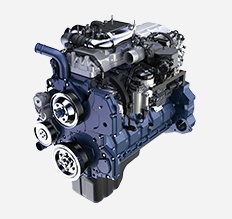
Navistar’s N9 Engine Photo: Navistar
” >
Navistar’s N9 Engine Photo: Navistar
” width=”250″ height=”235″>
Navistar has announced that it is ceasing production of its medium-duty 9- and 10-liter engines at the company’s Melrose Park, Ill., facility by the second quarter of 2018.
The change is part of Navistar’s transformation of the Melrose Park facility into a technical center that conducts truck and engine testing and validation as well as used truck sales and reconditioning. The majority of engines produced at the facility are 9- and 10-liter engines used in International Class 6 and 7 vehicles, however, alternative engines are currently offered in all applications.
The cessation of engine manufacturing at Melrose Park is expected to affect about 170 employees and reduce Navistar’s operating costs by about $12 million annually. The company will take an approximate charge of $43 million as a result of the action, including around $8 million in cash related charges.
The company says that a significant portion of hourly workers at Melrose Park are retirement-eligible and assistance and opportunities for retraining will be offered.
“Ceasing production of engines at Melrose Park is a difficult decision, but represents another important step on our journey to strengthening the company’s competitiveness,” said Persio Lisboa, Navistar chief operating officer. “Our N9/10 engine family was updated in 2014 and since then has served as a competitive niche offering for specific medium-duty vehicles. As we approach future regulatory requirements, the low volume nature of the platform could not justify further product development investments on it.”
Navistar reintroduced the option of a 6.7 liter Cummins engine in 2013 and a 9-liter Cummins engine in 2016. The Cummins engines that are used in the medium duty Class 6/7 segment are manufactured in Indiana and North Carolina, while Navistar’s big bore engine plant, which makes engines for Navistar’s Class 8 trucks, is in Alabama.
“Ending production anywhere is a difficult …Read the rest of this story
