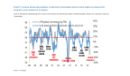
 (Bloomberg) — Investors should be more selective in the next six months as asset returns are likely to diverge because liquidity “cannot paper over specific weaknesses indefinitely,” according to JPMorgan Chase & Co.An “indiscriminate approach” to a portfolio would largely have worked in April and May, when most financial assets rallied — a typical result at a turning point in the cycle, according to strategists led by John Normand in a June 19 note. They cited extreme positioning and liquidity dynamics, plus central-bank asset purchases, as contributing to increased correlations when economies enter recessions and then move to expansions.“But typically these high correlations mean-revert to their long-term averages within a few months, in part because the pace of quantitative easing slows and in turn allows country, sector and company-specific factors to reassert themselves,” the strategists wrote. The second half of 2020 “should bring this sort of differentiation.”Read more: JPMorgan Sounds Warning on Market Correlations at 20-Year HighsJPMorgan’s recommendations for the second half of 2020 include:In bonds, take duration risk only in countries with positive inflation-adjusted yields and limited concerns about debt sustainabilityFavor high-grade credit over high yield on default-rate concernsPick developed over emerging-market corporate debt; many EMs outside north Asia face bigger challenges managing public-health and debt sustainability issues In stocks, choose Covid-19 “endgame winners” such as technology, communications and health care, as opposed to a broad preference for cyclicals or defensive sharesSell the U.S. dollar versus G-10 currencies with strong current-account positions like the Swedish krona or Japanese yen, and EM currencies with high real yields like the Mexican peso, Russian ruble and Indonesian rupiahStick with gold among commodities as it’s most leveraged to a low real-yield environment, and to agriculture, the cheapest marketFor more articles like this, please visit us at bloomberg.comSubscribe now to stay ahead with the most trusted business news source.©2020 Bloomberg L.P.
