Dealing with Obstructive Sleep Apnea in Trucking
By Jim Park
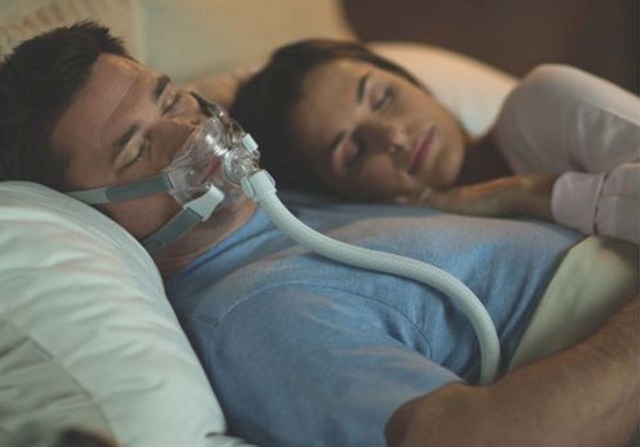
The Federal Motor Carrier Safety Association suspects that about 28% of the commercial driver population may be suffering from some degree of obstructive sleep apnea. Photo: Safety First Sleep Solutions
“>
The Federal Motor Carrier Safety Association suspects that about 28% of the commercial driver population may be suffering from some degree of obstructive sleep apnea. That number is in line with the findings of SleepSafe Drivers Inc. Steven Garrish, the company’s senior vice president of safety and regulatory compliance, says that number is in line with his fleet testing.
“When we begin a managed program for a fleet, we’ll see about 10% of that fleet’s drivers test positive for sleep apnea in year one,” he says. “In year two, we’ll see another 8-10%, with the other 8% or so in the third year moving forward.”
This happens over time because the medical card process involves a maximum two-year cycle. For a fleet of 100 drivers, that would be 10 in the first year, 10 or so in the 2nd year, then 8 and less moving forward, he says. “After this initial cycle, we just test new drivers through the turnover process and treat the incumbent fleet.”
OSA needn’t be a career-limiting condition for drivers. With recognition and ongoing treatment, the drivers are fit for duty, and in all likelihood, less fatigued than they were before treatment. But without a managed OSA/Fatigue Management Program, the process is a pain, with the burden falling on the driver for most of the expense, Garrish says.
“It’s often a long process as well, taking several weeks to get in to see a sleep specialist and then schedule an in-lab test. Even for the lucky ones who have medical insurance, they often have high-deductible plans, so much of the expense comes right out of the driver’s pockets.”
Many forward-leaning, safety-conscious …Read the rest of this story
