Category: Trucking News

Bendix Offers Air Disc Brake Made For Trailers

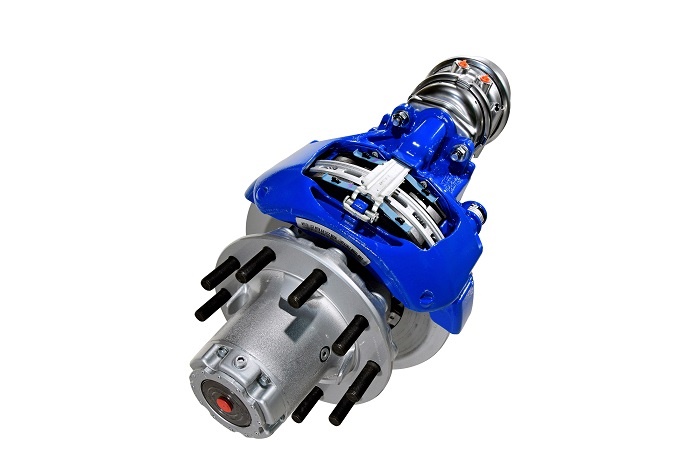
The Bendix ADB22X-LT is the first Bendix air disc brake engineered specifically for trailers and is now available in North America.

The ADB22X-LT has a 23,000-pound brake rating and is 40 pounds per tandem axle lighter than its companion ADB22X air disc brake making it the lightest air disc brake in Bendix's lineup. Lighter wheel-ends deliver increased payload capacity and can be a value for trailers that are particularly sensitive to brake weight. Lighter weight can also improve overall fuel efficiency.

Utility Trailer Manufacturing Company will be the first trailer builder to offer the new air disc brake.

“Though the ADB22X-LT has been specifically designed for trailer use, it's built on the same proven, successful platform as the ADB22X brake,” McComsey said. “The two brakes share replacement wear items, which helps to streamline maintenance and training plus reduce inventory requirements. In addition, the same skill sets fleet technicians use for installing and maintaining the ADB22X are equally applicable to the ADB22X-LT, making it a great candidate for installation by trailer builders.”

The ADB22X-LT brake features a new pad with 8% more wearable volume and up to a 40% improvement in wear rate, according to Bendix. The new pad also meets the EPA's 2021 copper-free brake initiative requirements.

A new adjustment mechanism also supports longer service life by improving pad life and further reducing the risk of brake drag. Air disc brakes like the ADB22X-LT offer quicker pad replacement than foundation drum brakes, combined with longer brake lining life and straight, stable stops. Since air disc brake pad friction is not riveted like drum brake friction, rust jacking is not an issue. A reduction of brake fade or degradation of stopping power increases reliability, and the brake's internal self-adjustment mechanism can help lower the risk of brakes being found out of adjustment during inspection

The Bendix ADB22X-LT ...Read the rest of this story

Atl-Fuels in the Age of Cheap Oil

<img width="150" src="http://www.automotive-fleet.com/fc_images/articles/m-altoil-1.jpg" border="0" alt="

Is cheaper even the issue?

">

Is cheaper even the issue?

">

In 2016, it's far from simple to decide whether to switch from diesel to an alternative fuel or powertrain (electric or hybrid). It was easier to run the numbers and come to a conclusion one way or the other when the price of diesel fuel was on the rise and promising developments in alternative power technology were arriving one after another.

Not four years ago, predictions were made that natural gas alone would fuel up to 20% of new heavy-duty trucks by 2020. Now, though, thanks to everything from lower diesel prices to fleet concerns about natural-gas payback and fueling infrastructure costs, and a new push for electric zero-emissions vehicles, those predictions look to have been too optimistic.

The slide in the price of diesel fuel over the past two years has complicated the decision for many fleets. The question for them is not whether diesel prices will rise again, but how soon and how sharply. On the other hand, fleets that have invested heavily in natural gas vehicles and fueling infrastructure are unlikely to change horses quickly. And they tend to appreciate the price stability of natural-gas fuel vs. diesel's price volatility.

The upcoming federal greenhouse gas/fuel economy rules are something of a wild card looking further out. The final Phase 2 rules, released last month, will cover 2021 to 2027-model-year trucks and tractors and 2018-to-2027 MY trailers. New, stepped engine standards will require a 4% carbon dioxide (CO2) reduction from 2017 to 2027. And Phase 2 will also address natural gas vehicles and engines, including emissions from the crankcase and LNG boil-off, regarded as two of the largest sources of on-vehicle methane emissions.

The impact of new rules aside, lowering fuel spend has not been the only reason truck fleets have chosen to convert to alternatives. Some opt ...Read the rest of this story