CVSA Director Talks ELDs, Enforcement, and the Future
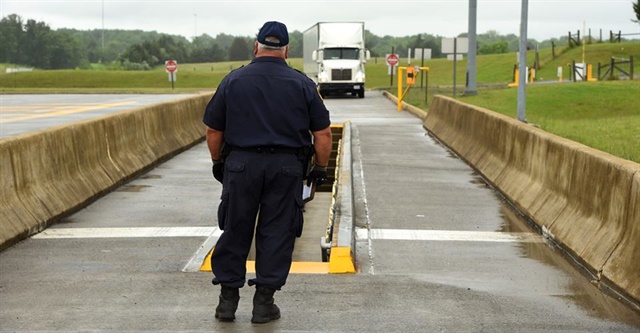
Mooney spoke about the disconnect between how trucking companies view some of the Alliance's enforcement and what the CVSA is actually trying to accomplish. Photo: CVSA
">Commercial Vehicle Safety Alliance Executive Director Collin Mooney gave a wide-ranging interview with Canadian trucking publication Today's Trucking, talking about how he views the organization's role in improving safety on our roads.
Mooney spoke about the disconnect between how trucking companies view some of the Alliance's enforcement and what the CVSA is actually trying to accomplish. He found that the rollout of the ELD mandate in December from an enforcement perspective has not gone completely according to plan.
“We are disappointed that our implementation process — our delay in implementing Out-of-Service conditions until April 1 — has been taken by many in the industry as the new implementation date. That wasn't the intent,” said Mooney. “I'm disappointed in the handful of people electing to install their ELDs so they meet the regulatory definition, but then still using paper. It's not meeting the regulatory intent.”
<img src="http://www.automotive-fleet.com/fc_images/news/m-collin-mooney-372x400.jpg" border="0" alt="
Commercial Vehicle Safety Alliance executive director Collin Mooney. Photo: CVSA
" width="240" height="320">On the subject of Out of Service violations, Mooney reflected on how the kinds of violations found during inspections often point to larger problems with carriers and how they might be failing to enforce their own safety rules.
“If we're finding violations and documenting them at roadside, you have a failure within your annual inspection program, your preventive maintenance program, your driver trip inspection program,” he said. “Sometimes [truckers] rely on the roadside inspection program as their preventive maintenance program. We see that a lot, and that's not right. The carriers that invest in a preventive maintenance program are at a competitive disadvantage when you have motor carriers that do not.”
Mooney also discussed the influx of new technologies ...Read the rest of this story