California Gears up for Stricter Diesel Truck Emissions Regulations
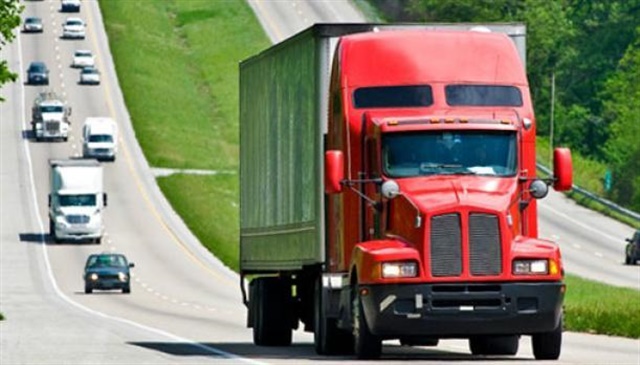
California legislators may soon target older diesel trucks in a new round of tough state emissions regulations. Photo: Jim Park
">California legislators may soon target older diesel trucks in a new round of tough state emissions regulations. Photo: Jim Park
">California seems determined to defy the Trump administration's efforts to turn back the clock on The Paris Accords and other emissions control measures. Four California state senators have called for significantly increased state funding to further reduce emissions from trucks and buses in the state. The legislators said such funding is needed to improve air quality and help reduce toxic emissions along freight corridors and near ports and schools.
California state Senators Ricardo Lara, Nancy Skinner, Richard Pan, and Bob Wiechowski led the call.
In the final weeks of the 2017 legislative session, the senators are calling for $1 billion in funding from the California greenhouse gas Cap-and-Trade program to be focused on cleaner trucks and buses. This would amount to a tripling of the amount of funds spent last year.
It comes on the heels of just-released study by The Diesel Technology forum, which polled Californians and found that an overwhelming majority of respondents support tougher emissions reduction standards and technologies in the Golden State.
The Diesel Technology Forum is a national association of diesel vehicle, engine and equipment makers, suppliers and fuel providers. The survey of 2,190 registered voters found that 89% of California voters believe a balanced mix of energy and transportation options is needed to achieve cleaner air and lower carbon required by the California Air Resources Board's 2030 and 2050 deadlines.
The survey also found that some 75% of registered voters agree California must balance its investments between proven technologies and those that might benefit the future. In ddition, Californians said they see low emission vehicles and reduced fuel consumption as the largest contributors to better air quality. Of those surveyed, 73% view clean diesel technologies as positive contributors to air ...Read the rest of this story