Author: Vitaliy Dadalyan

Focus is on fuel deliveries, restoring electrical power in Irma’s aftermath

More ports in Florida resume limited operations

Truckers are playing a critical role as Florida and other areas of the southeastern United States begin the recovery process from Hurricane Irma.

Utility crews from around the country are converging on Florida to help restore electrical power to the millions of customers who face the prospect of days - or even weeks - in the dark.

As several ports begin to reopen for limited operations, there is a major emphasis on getting trucks hauling motor fuel loaded to alleviate shortages throughout the region.

read more

...Read the rest of this story

Morgan Offers Mid-Temp NexGen Truck Body

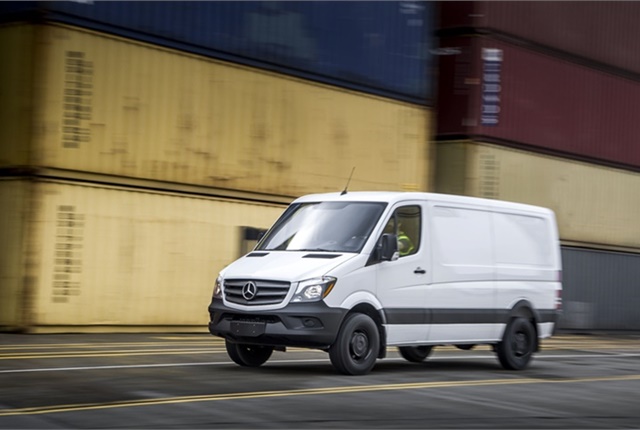
Morgan Corporation has expanded its NexGen product line of truck bodies to include a medium- or mid-temp unit that is geared towards markets that require consistent temperatures from 35 through 75-degrees Fahrenheit.

Situated between its dry freight and refrigerated bodies, the units can be either cooled or heated based on the application. The mid-temp body is designed for delivery applications such as florists, bakeries, caterers, wine merchants, produce suppliers, and art/auction houses.

Morgan will also be demonstrating a prototype Home Delivery truck body that will incorporate the same design features as the existing line of NexGen bodies. With multiple curbside loading/unloading compartments of varying temperatures that allow for the transportation of frozen foods, fresh groceries, and packaged goods, the NexGen Home Delivery body is designed to meet the needs of the Final Mile transportation industry.

Morgan NexGen bodies are lighter than current industry truck bodies, yet carry 400 – 600 pounds of increased payload than similarly-sized bodies, according to the company. The light and strong design results in better fuel economy, increased cargo capacity, and a better resistance to the elements.

The lightweight body is built of non-corrosive materials to inhibit rust. Built for durability, the NexGen body boasts innovative features including a stain-resistant phenolic flooring in the dry freight body and an aluminum “silent floor” in the reefer. Leak-free sealed joints keep product, cargo, or tools dry because NexGen bodies are designed with elastomeric gaskets in the connection profiles that provide the protection from water intrusion. NexGen bodies offer a seamless design to easily install graphics that highlight a company's brand.

Follow @HDTrucking on Twitter

...Read the rest of this story

Florida Escapes Worst of Irma, But Impact Felt Across State

<img width="150" src="http://www.automotive-fleet.com/fc_images/news/m-hurricane-irma-rescue-1.jpg" border="0" alt="

Coast Guard Flood Punt Teams conduct rescue operations in Jacksonville, Florida, Sept. 11, 2017. Photo: Courtesy of U.S. Coast Guard District 7

">

Coast Guard Flood Punt Teams conduct rescue operations in Jacksonville, Florida, Sept. 11, 2017. Photo: Courtesy of U.S. Coast Guard District 7

">

Hurricane Irma's late shift to the west seems to have spared Florida the worst of the storm, but even with reduced impact, its effects are widespread.

A combination of influences caused Irma to lose strength over the northern coast of Cuba and shift westward. That put it on a path that reduced the impact of high winds and storm surge on major urban centers in the southeast of the state, including Miami.

Recent estimates for total damage costs in the state are at $58 billion. That is far less than earlier numbers, which reached as high as $200 billion, according to Bloomberg. The current estimate is still higher than the total for Hurricane Andrew in 1992, which cost nearly $48 billion when adjusted for inflation, but is below the estimates for Hurricane Harvey, which may run upwards of $75 billion.

Fuel prices were up again in the latest numbers from the Energy Department. The average price of diesel fuel increased 4.4 cents for the week ending on Sept. 11 and stands at $2.80 per gallon. This is a week after jumping more than 15 cents in the aftermath of Hurricane Harvey. Perhaps more telling than the increase in price was a note in the report stating that data on Miami's gas prices were unavailable due to the insufficient response from retailers.

A Florida Trucking Association representative told HDT that in the immediate aftermath of the storm, most Florida-based trucking companies are "still in damage assessment and power restoration mode and are doing the obvious things they need to do.”

As of Sept. 11, every major interstate and turnpike in the state was reopened. U.S. 1 South, which runs through the Florida Keys, is ...Read the rest of this story

NTSB Faults both Trucker and Motorist in Fatal Tesla Crash

<img width="150" src="http://www.automotive-fleet.com/fc_images/news/m-teslacarpostcrash-1.jpg" border="0" alt="

Joshua Brown's Tesla sedan, after the crash with a truck that took his lifePhoto: NTSB/Florida Highway Patrol

">

Joshua Brown's Tesla sedan, after the crash with a truck that took his life. Photo: NTSB/Florida Highway Patrol

">

The National Transportation Safety Board has ruled that a truck driver's failure to yield the right of way and a car driver's “inattention due to overreliance on vehicle automation” are the probable cause of the May 7, 2016, collision of a tractor-trailer and a Tesla Model S 70D sedan operating in autonomous mode.

The first fatal crash of an autonomous car in the U.S., the accident claimed the life of the Tesla's driver, 40-year-old Joshua Brown, of Canton, Ohio.

In its determination, issued on Sept. 12, NTSB also found that the operational design of the Tesla's vehicle automation “permitted the car driver's overreliance on the automation, noting its design allowed prolonged disengagement from the driving task and enabled the driver to use it in ways inconsistent with manufacturer guidance and warnings.”

“While automation in highway transportation has the potential to save tens of thousands of lives, until that potential is fully realized, people still need to safely drive their vehicles,” said NTSB Chairman Robert L. Sumwalt III in a statement. “Smart people around the world are hard at work to automate driving, but systems available to consumers today, like Tesla's ‘Autopilot' system, are designed to assist drivers with specific tasks in limited environments. These systems require the driver to pay attention all the time and to be able to take over immediately when something goes wrong.”

He added that “safeguards, that should have prevented the Tesla's driver from using the car's automation system on certain roadways, were lacking and the combined effects of human error and the lack of sufficient system safeguards resulted in a fatal collision that should not have happened.”

Per NTSB, the report's findings include:

The Tesla's automated vehicle control system was not designed ...Read the rest of this story