Author: Vitaliy Dadalyan

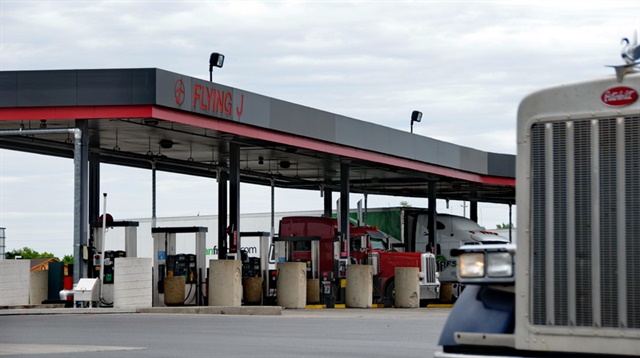
Emails Offer Glimpse Inside Pilot Flying J Fuel Rebate Scam

<img width="150" src="http://www.automotive-fleet.com/fc_images/news/m-flyingjpumps-peteinforeground-2-1.jpg" border="0" alt="

HDT file photo

">

HDT file photo

">

In the early days of the Pilot Flying J Fuel Rebate Fraud trial, a former sales director's testimony and emails have given jurors a look at the fraud operation from the inside, according to reports in the Knoxville News Sentinel.

Arnie Ralenkotter, the former director of sales for the northeast region during the fraud scheme, gave testimony this week explaining his interactions with his sales staff and with company higher-ups. He is a witness in the trial of four former Pilot employees, Mark Hazelwood, former executive vice president and president of Pilot Flying J, Scott Wombold, former vice president of national accounts, and two former sales representatives, Karen Mann and Heather Jones.

Through spoken testimony and company emails from the time of the scandal, Ralenkotter described how he pressured a lower level salesman, Tim Prins, into cutting discounts given to certain small trucking companies. Ralenkotter admitted that he threatened to pull sales accounts from Prins if he didn't comply after Prins expressed his reluctance to participate in the fraud. Prins was not charged for his role in the fuel rebate scam. Ralenkotter is one of the 14 Pilot sales employees who has previously admitted guilt.

In another instance with Prins, Ralenkotter sent an email to Pilot Flying J CEO Jimmy Haslam, relaying information from Prins on the Smith Transport trucking company. Smith Transport refused to make an exclusive deal for fuel with Pilot Flying J and in an email response, Haslam called the situation disappointing. Haslam has denied any knowledge of the fuel rebate scam and has not been charged in the case.

Smith Transport was later one of the companies that had its discount cut. Both Hazelwood and Mann were both included in emails about the cuts. The email evidence was submitted by Mann's attorney to argue ...Read the rest of this story
Q. I’ve heard that there are two new exemptions to the upcoming ELD mandate. Is that true? And if so, what are they?

A. Yes, it is true. The Federal Motor Carrier Safety Administration (FMCSA) has granted two temporary exemptions to the ELD mandate.

The first will temporarily permit drivers to use of portable ELDs — smartphone- or tablet-based devices — to indicate a change of duty status when they are outside of and away from their truck.

The second will temporarily allow fleets to configure an ELD with a “yard-move mode” that does not require a driver to re-input the truck's yard-move status every time it is powered off.

The two exemptions have been granted for a five-year period that will end on Oct. 20, 2022.

It's important to note that the exemptions will be rescinded if:

The fleet or drivers fail to comply with the terms of the exemptionsThe exemptions have resulted in a lower level of safetyContinuation of the exemptions will not be consistent with regulation 49 U.S.C 31136(e) or 31315(b)

Follow @HDTrucking on Twitter

...Read the rest of this story

ELDs, Hours of Service, Detention – And Data

A common complaint about mandatory electronic logging devices is that they will no longer allow drivers to (illegally) “fudge” their logs to compensate for overly long detention times at shippers and receivers. Yet the data that ELDs can provide could help carriers and the industry at large address the detention issue, both on a shipper-specific basis and on a regulatory level.

As I pointed out in an HDT editorial earlier this year, the underlying reason many drivers and fleets don't want ELDs really wasn't so much the notion of using an electronic device to track driver hours — it was the hours of service regulations themselves.

But by digging in their heels and resisting the ELD mandate, driver and fleets are only hurting their cause for revising the HOS regs to something that better reflects the day-to-day realities of trucking.

“Nobody can advocate for a change in the rules by saying we're not going to follow the rules. The best way is to embrace the benefits of the technology and argue the [HOS] changes at a later time. We can emphasize problems with truck parking, with detention time, and ELDs will go a long way toward doing that, because we will have sound data and sound science behind us.”

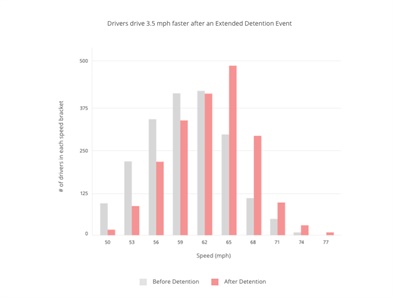
ELD provider KeepTruckin has been doing just that, using the data it has gathered to create a petition to the FMCSA to allow drivers to extend their 14 hours to 16 hours when they are detained for extended periods of time.

Some of the findings in the data:

75% of drivers are detained at a pickup or drop off location for 2+ hours every week.35% of drivers are detained at a pickup or drop off location for more than 6 hours every week.On average, a driver faces seven Extended Detention Events every month.Drivers ...Read the rest of this story

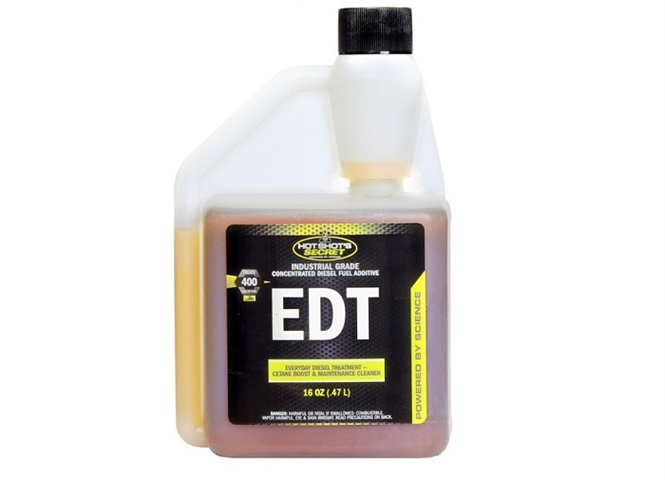
Daily Additive Designed to Clean and Protect Diesel Engines

Hot Shot's Secret's Everyday Diesel Treatment is a daily diesel cetane boost and lubricant fuel additive designed to improve the efficiency of diesel engines.

The cetane improver in EDT consists of special nitrates that are pro-oxidants and speed up the oxidative process of fuels during combustion, improving power and mileage. EDT is designed to increase ignition efficiency with all diesel fuels and prevents gum and sludge formation.

EDT is recommended for all diesel engines, according to Hot Shot's Secret, because it is ashless and will not adversely affect engine components. The diesel fuel additive also complies with the federal low sulfur content requirements for use in diesel motor vehicles and non-road engines.

Follow @HDTrucking on Twitter

...Read the rest of this story