Apr.27 -- The Japanese government is weighing the need to extend the state of emergency beyond early May, according to local reports. Meanwhile, Singapore is emerging with the region’s highest number of coronavirus cases after China and India, the world’s two most populous countries. Selina Wang reports on "Bloomberg Markets: Asia."...
Normally bustling with activity and colour, Chinatowns in California have come to a standstill as a lockdown to slow the spread of the coronavirus pandemic forces most shops to close. Business has dropped up to 80 per cent, driven initially by racially charged fears about Covid-19, and later by a statewide shelter-in-place order. There are growing fears that many independent restaurants in the area may not survive the pandemic. ...
Asian stock markets gained Monday after Japan's central bank promised more asset purchases to shore up financial markets as investors look to central bankers to support the struggling global economy. Tokyo's benchmark surged 2.4% and Shanghai, Hong Kong and Sydney also gained. Investors also are looking ahead to meetings of U.S. and European central banks this week for signs of more measures to reverse the deepest global slump since the 1930s....
(Bloomberg) -- Asian stocks and U.S. equity futures saw modest gains on low volume as investors mulled further signs of positive developments in the global fight against the coronavirus. The yen edged higher after the Bank of Japan maintained rates but boosted other stimulus measures.Shares climbed across the region after U.S. stocks ended firmer on Friday. U.S. futures reversed earlier losses to trade higher, while European contracts gained. The Australian dollar outperformed, while other risk currencies strengthened against the greenback. Treasury yields advanced. Coronavirus deaths slowed the most in more than a month in Spain, Italy and France while fatalities reported in the U.K. and New York were the lowest since the end of March. Oil retreated.The Federal Reserve joins the BOJ and the European Central Bank announcing policy decisions this week as the battle against the pandemic continues with some countries proceeding on steps to relax lockdown measures. Several major...
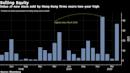
(Bloomberg) -- In this era of pandemic uncertainty, Chinese and Hong Kong-listed firms have come to one consensus on how to best survive it: sit on their wallets and preserve cash.They are retaining profits instead of distributing them to shareholders, with the most Hong Kong dividend payers in at least 35 years opting not to do so in the first quarter. Meanwhile, though valuations recently reached a historical low in the city, firms haven’t picked up their stock-repurchase pace. Instead, sales of additional stock are near their highest since 2018.The data help illustrate how the pandemic has distressed the corporate side of China’s economy, which contracted to start 2020, the first quarterly decline in decades. Beijing has resorted to a long list of measures to counter the fallout from the coronavirus, but so far has shown little appetite for stimulus on the scale unveiled in the U.S. or Japan even as...
(Bloomberg) -- Asian stocks saw modest gains on low volume as investors mulled further signs of positive developments in the global fight against the coronavirus. The yen ticked higher after the Bank of Japan maintained rates but tweaked some policy measures.Shares in Hong Kong, South Korea and Japan rose after U.S. stocks ended firmer on Friday. U.S. futures fluctuated and Chinese stocks were little changed. The Australian dollar outperformed, while other risk currencies ticked higher. Treasury yields gained. Coronavirus deaths slowed the most in more than a month in Spain, Italy and France while fatalities reported in the U.K. and New York were the lowest since the end of March. Oil retreated.The Federal Reserve joins the BOJ and the European Central Bank announcing policy decisions this week as the battle against the pandemic continues with some countries proceeding on steps to relax lockdown measures. Several major economies will release GDP numbers,...