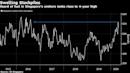
(Bloomberg) -- A narrow waterway off Singapore has become even more congested as oil-laden tankers wait out a slump in global fuel consumption that’s crimped demand and boosted the use of ships to store cargoes.About 60 clean fuel tankers are currently anchored along the busy strait, up from the usual 30-40 ships, according to Rahul Kapoor, head of commodity analytics and research at IHS Markit. Some vessels are being used to hoard fuel at sea as onshore tanks fill up. Others are probably parked, waiting to be redirected to any willing buyer across Asia and the world as the coronavirus pummels economies worldwide.Ships filled with gasoline to jet fuel are moving from major refinery hubs such as South Korea and China due to a crash in domestic demand and swelling stockpiles. These tankers are finding their way to the Singapore Strait, where the glut is being compounded by offloading delays at...
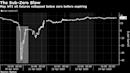
(Bloomberg) -- Bank of China Ltd.’s estimate for the carnage to retail investors from the collapse in a product linked to U.S. crude oil futures surged 11-fold to more than 7 billion yuan ($1 billion) as it consolidated reports from its nationwide network, according to people familiar with the matter.The estimate of losses to customers across China increased from about 600 million yuan in the middle of last week as more information was gathered from its more than 10,000 outlets, said the people, asking not to be identified discussing a private matter. The number isn’t final and subject to further change as more branch data are examined, one of the people said.The losses stem from the bank settling May West Texas Intermediate contracts that underpinned its “Crude Oil Treasure” product on April 20 at minus $37.63 a barrel, leaving Bank of China customers caught in the middle of oil’s unprecedented collapse...
(Bloomberg) -- Asian stocks saw modest gains on low volume as investors mulled further signs of positive developments in the global fight against the coronavirus. The yen was steady as traders awaited a key Bank of Japan policy meeting.Shares in Hong Kong, South Korea and Japan rose after U.S. stocks ended firmer on Friday. U.S. futures fluctuated and Chinese stocks were little changed. The Australian dollar outperformed, while other risk currencies tucked higher. Treasury yields were little changed. Coronavirus deaths slowed the most in more than a month in Spain, Italy and France while fatalities reported in the U.K. and New York were the lowest since the end of March. Oil retreated.The Federal Reserve joins the BOJ and the European Central Bank announcing policy decisions this week as the battle against the pandemic continues with some countries proceeding on steps to relax lockdown measures. Several major economies will release GDP numbers,...
Gold investors are currently wearing two-hats, which means they shouldn’t be surprised by volatile swings over the near-term. Additionally, the long-term outlook is bullish so despite looking ugly sometimes in the short-run, we’re confident there will be investors ready and willing to buy the dips....
(Bloomberg) -- The narrowing group of winners in the S&P 500 doesn’t bode well for the future performance of U.S. stocks, according to Goldman Sachs Group Inc.The U.S. benchmark is around 17% below its February record, but the median stock trades 28% from its peak, Goldman strategists including David Kostin wrote in a note Friday. Meanwhile, the five largest companies make up 20% of the gauge’s market capitalization, exceeding the 18% level the measure reached in March 2000 and raising investor concerns about narrow market breadth, they said.“Sharp declines in market breadth in the past have often signaled large market drawdowns,” the strategists wrote. “Narrow breadth can last for extended periods, but past episodes have signaled below-average market returns and eventual momentum reversals.”Breadth narrowed ahead of the recessions in 1990 and 2008, in the tech bubble, and during the economic slowdowns of 2011 and 2016, according to the note. In the...