David Einhorn, a famed short-seller, questioned Elon Musk, the CEO of Tesla Inc. (NASDAQ: TSLA), Thursday on Twitter, about the automaker's accounting practices.What Happened Greenlight Capital founder Einhorn, who is known for having short-sold Lehman Brothers' stock before it collapsed in 2008, tweeted Musk directly, asking him and the Tesla chief financial officer Zach Kirkhorn pointed questions. Describing his inquiries as "More Boring Bonehead Questions," Einhorn questioned the veracity of Tesla's accounts receivable, his shuttered factories, and the effect of currency market movements on the company.Einhorn demanded answers, writing "Can you or Zack [Zach Kirkhorn] explain?" The investor said if the question was left unanswered, he would "be left wondering" if indeed all Tesla's account receivables were "suspect," along with its income statement.Why It Matters Tesla's shares closed more than 2% lower on Thursday, erasing an intraday gain of nearly 8.7% after Einhorn's public questioning of the automaker's accounting practices.In its...
The experimental vaccine, mRNA-1273, is being tested in early-stage trial by the U.S. National Institutes of Health, with Moderna expecting to begin mid-stage trial in the second quarter. "Over time, the parties intend to establish additional production suites across Lonza's worldwide facilities, ultimately allowing for the manufacture of material equivalent to up to 1 billion doses of mRNA-1273 per year for use worldwide", the statement added. Earlier this month, Moderna got a $483 million funding from a U.S. government agency to accelerate its COVID-19 vaccine development....
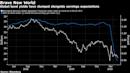
(Bloomberg) -- The best month for global equities in almost a decade may be enough to convince investors the light at the end of the coronavirus tunnel isn’t a train, but the debate on what comes next is only just beginning as they adjust their focus to a financial landscape utterly changed by the pandemic.An indisputable takeaway from the crisis is a massive expansion in global debt -- given the more than $8 trillion in fiscal measures worldwide, according to a Bloomberg compilation. Corporate balance sheets will have changed, as CFOs seek to bolster their capital through equity and debt raisings. Millions will have lost their jobs at least for a time, and labor mobility between nations may be impaired. And supply lines will be reshaped, at least in some fashion.Depending on how it all shakes out, there will be implications for corporate earnings and interest rates that will affect investment...
Airlines including United have parked jets and slashed flight schedules as demand has virtually vanished due to the pandemic, forcing them to suspend growth plans and shift their focus to saving cash. Chicago-based United said it had $9.6 billion in liquidity as of April 29, up from $7.2 billion at the end of March, and that its cash burn would range between $40 million and $45 million per day in the second quarter. United is set to receive $5 billion in payroll aid under the Coronavirus Aid, Relief, and Economic Security (CARES) Act and will likely decide in the third quarter whether to tap a $4.5 billion loan under the same package....
U.S. gold futures gained 0.1% to $1,695.00. Millions more Americans filed claims for unemployment benefits last week, lifting the number of applications to 30.3 million since March 21, data showed, amid a record collapse in consumer spending in March....