The Steel Box That Changed Global Logistics
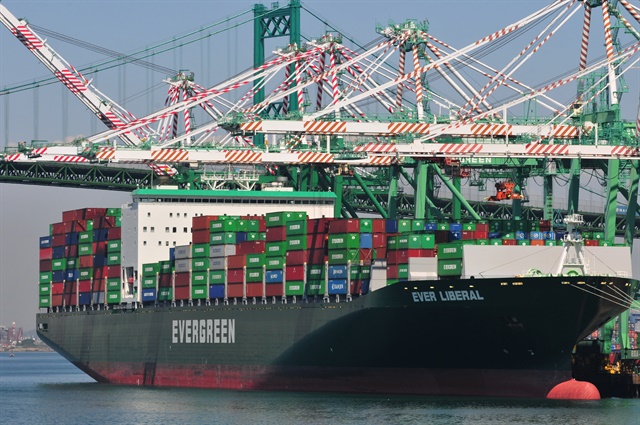
Container ship at the Port of Long Beach. Photo: Jim Park
">Container ship at the Port of Long Beach. Photo: Jim Park
">Did you know a trucking entrepreneur invented the modern shipping container?
A dockworker from the 1950s would not recognize a modern cargo port, where huge gantries move steel boxes full of cargo from all over the world between ships, trains, and trucks.
As part of a series on 50 Things That Made the Modern Economy, BBC World Service traces the history of the shipping container, noting that its invention, rather than free trade agreements, has been "perhaps the biggest enabler of globalisation."
The idea of loading cargo into some sort of standardized box, then loading the box onto ships, wasn't exactly new. According to the World Shipping Council, boxes similar to modern containers had been used for combined rail- and horse-drawn transport in England as early as 1792. The U.S. government used small standard-sized containers during the Second World War, which proved a means of quickly and efficiently unloading and distributing supplies.
But as the BBC report notes, there were a host of roadblocks to widely implementing shipping containers as we know them today.
One of those was opposition from powerful dockworkers' unions -- because containers would mean fewer jobs (although it also would make loading ships safer; In a large port, someone would be killed every few weeks.)
When I recently interviewed Andrew McAfee, an MIT scientist who studies how technological progress changes business, the economy, and society, about the future of autonomous trucks, he pointed to the automation at ports as an example of how the march of technology continues to mean the loss of jobs in some areas and the gain of jobs in others.
Other obstacles? Trucking companies, shipping companies, and ports couldn't agree on a standard size. And separate sets of U.S. regulations kept ...Read the rest of this story