House Transpo Committee Boldly Goes Online

House Transpo Committee Boldly Goes Online

<img width="150" src="http://www.automotive-fleet.com/fc_images/blogs/m-dotheavytrucktrafficlargeimage-1-2.jpg" border="0" alt="

Photo: U.S. Department of Transportation

">

Photo: U.S. Department of Transportation

">

Despite its ultra-wonky clunkiness, “infrastructure” is a word that keeps right on trending hard inside the Beltway. And that's a good thing for trucking. But talk is not action.

Apparently not content to wait for what may be in the trillion-dollar infrastructure plan promised but yet to be released by the Trump administration, the House Transportation and Infrastructure Committee has opted to push out to social media its take on what's needed for infrastructure “to take on the challenges of the 21st century” via a new web-based informational campaign.

Dubbed “Building a 21st Century Infrastructure for America”— or “#building21” for short— the initiative aims to explain the committee's “vision for America's infrastructure that promotes job creation, encourages economic development, and prepares the Nation for the breakthroughs in mobility that are around the corner,” said Chairman Bill Shuster (R-PA).

A key element of the campaign is a dedicated website designed to “focus attention on policies that will build a 21st century infrastructure.”

The site, which went live on Feb. 6, so far features the perspectives of Shuster and other committee members as well as a “vision statement” for the initiative.

“This isn't simply a website,” said Shuster. “The committee will continue to hold hearings, listening sessions, and roundtables throughout the Congress as part of our agenda to explore what system users, manufacturers, and consumers need to truly develop an infrastructure and transportation network that is second to none.”

One can only hope the committee's digital effort will at the very least spur more discussion on Capitol Hill of:

What infrastructure needs fundingHow exactly that infrastructure should be fundedHow quickly that funding can be packaged and sent to President Trump to sign

To be sure, it is boldy stated on the website that you should: "Tell us at #building21."

Related: The Not-So-New ...Read the rest of this story

Q. What other benefits could my fleet get out of ELD’s?

A. ELDs can automate IFTA fuel tax reporting. ELDs in combination with advanced Open Platform telematics capabilities provide remote engine monitoring, fuel usage monitoring, MPG, receipt and invoice scanning at the point of delivery, and the ability to geofence trucks and track arrival and departure dates and times. Fleets can see considerable cost savings. For example, FMCSA cited a large private fleet that saved $18,000 per year after moving to ELDs. Fleets can more closely monitor drivers' hours, enabling better planning and routing decisions to maximize productivity. ELDs can also help prevent driver fatigue and protect drivers from employers violating HOS rules.

Follow @HDTrucking on Twitter

...Read the rest of this story

Q. In adding ELDs, should I consider what telematics data might also be useful?

A. Yes. While the functionality of electronic logging for HOS is the core of what trucking fleets need to maintain compliance, choosing a provider that offers advanced vehicle diagnostic data and an open platform enables a greater impact to increasing your fleet's safety, productivity and overall profitability. Light-and medium-duty fleets have been capitalizing on the benefits for several years, so now is the time for the trucking industry to enjoy those same benefits.

Follow @HDTrucking on Twitter

...Read the rest of this story

Q. What are some basic benefits that trucking fleets can get out of GPS tracking/telematics?

A. You can improve routing efficiency and reduce drive time by planning routes based on customer locations, pick-up and drop-off times, and traffic patterns. Telematics can record driver behavior, helping to examine such things as hard stops and speeding, which helps to provide more tailored driver training and coaching improvements as the incidents occur. Fuel consumption and overall MPG can be recorded. You can monitor and subsequently reduce idling, decreasing your fleet's overall CO2 emissions and fuel costs. Devices can monitor engine diagnostic trouble codes and set up reminders for proactive maintenance scheduling. Improve security of driver, vehicle, and cargo by knowing exact locations of all your vehicles at any given time. Help ensure compliance of federal regulations through better transparency over maintenance and the safety of your fleet.

Follow @HDTrucking on Twitter

...Read the rest of this story

Scania Expanding Thailand Operations

<img width="150" src="http://www.automotive-fleet.com/fc_images/news/m-scaniathailand-2.jpg" border="0" alt="

Photo: Scania Thailand

">

Photo: Scania Thailand

">

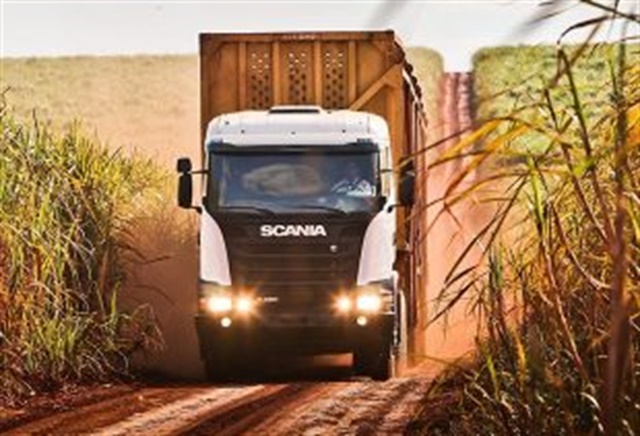
Sweden-based truck maker Scania AB said on Feb. 6 that it has identified Thailand as one of the key markets in Asia and so is expanding its industrial and commercial operations there.

A new assembly plant for trucks and bus chassis as well as a manufacturing facility for truck cabs will be established in the Bangkok Metropolitan Region. The total investment is pegged at EUR 21.2 million (almost U.S. $23 million). Operations are scheduled to start in 2018.

In addition, Scania will establish a regional headquarters in Thailand to support its distributors in the Asia and Oceania markets.

"The new establishment will bring all industrial and commercial functions in Scania even closer to our customers in Asia in general and in Thailand in particular," said Ted Göransson, project director. "By increasing our local presence, we will be able to quickly respond to customers' demands and make sure that we provide the best transport solution for each customer."

The expansion complements the already announced increase in Scania's service network in the country from the current 10 facilities to 18 workshops in 2019.

Scania is owned by Germany's Volkswagen AG.

Related: Scania Tests Autonomous Platooning in Singapore

Follow @HDTrucking on Twitter

...Read the rest of this story

Q. What are common challenges that I could face in trying to add telematics to my fleet?

A. Cost can be an issue to some fleets before they understand the overall return on investment and cost savings that are made possible with a open platform fleet management solution. Another area that can be challenging in trucking is resistance from drivers who may feel like the technology overreaches. It's important to rollout telematics in a way that is inclusive of driver feedback and to make sure they understand how it could also benefit them (such as helping exonerate drivers in the case of false claims).

Follow @HDTrucking on Twitter

...Read the rest of this story