<img width="150" src="http://www.automotive-fleet.com/fc_images/news/m-u-s-supreme-court-pub-domain-3-1.jpg" border="0" alt="
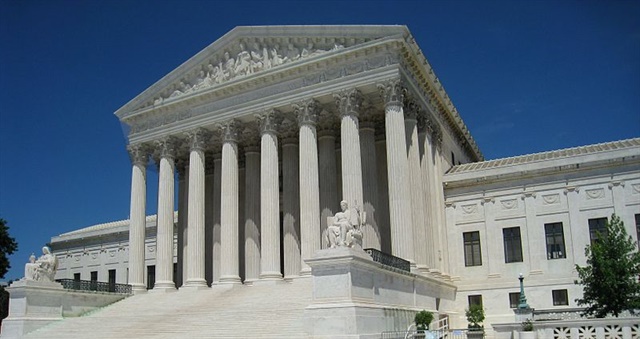
The U.S. Supreme Court will not hear a challenge to the ELD mandate. Photo: Public domain
">
The U.S. Supreme Court will not hear a challenge to the ELD mandate. Photo: Public domain
">The U.S. Supreme Court has denied the Owner-Operator Independent Drivers Association's request to take on the issue of the constitutionality of electronic logging devices.
The June 12 announcement of the court's denial of OOIDA's petition means the court will not hold hearings on whether the regulation violates drivers' rights to privacy under the Fourth Amendment, which means a lower court ruling upholding the Federal Motor Carrier Safety Administration's ELD mandate stands.
Under the electronic logging device rule, motor carriers and drivers must transition to ELDs by Dec. 17 of this year. Those that were using automatic onboard recording devices prior to Dec. 18, 2017, may continue using AOBRDs through Dec. 16, 2019. Suppliers of ELDs must conform to technical specifications, certify their ELDs, and register them with FMCSA.
Along with the issue of protecting driver privacy, in its petition to the Supreme Court, OOIDA also was seeking a ruling on whether the ELD rule violates the Fourth Amendment by failing to establish a regulatory structure at the state and federal levels that serves as a substitute for a warrant.
OOIDA will no doubt continue to push the issue in the other two branches of the federal government, Congress and the White House, as part of its “Knock Out Bad Regs” campaign.
According to OOIDA, requiring electronic monitoring devices on commercial vehicles “does not advance safety since they are no more reliable than paper logbooks for recording compliance with hours-of-service regulations.”
Related: 14 Things You Need to Know Before ELDs Become Mandatory
Follow @HDTrucking on Twitter