Poly deck boards
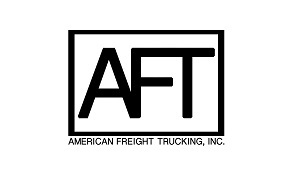
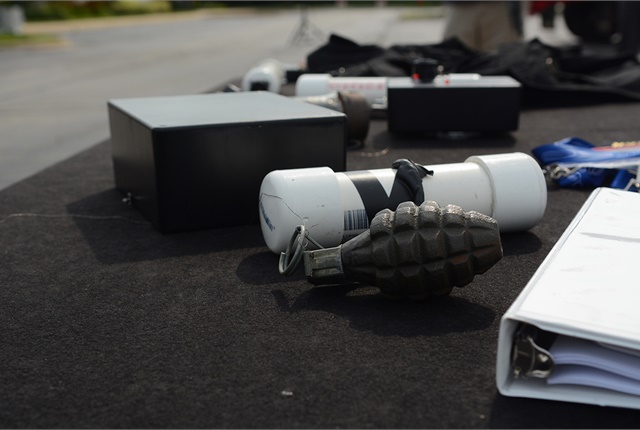
A handful of FSC attendees were selected to find the above IEDs, which were hidden on two vehicles. Photo: Jim Park
">A handful of FSC attendees were selected to find the above IEDs, which were hidden on two vehicles. Photo: Jim Park
"> A team of experts from the Transportation Security Administration offered both classroom and hands-on presentations on improvised explosive devices (IEDs) on July 26 at this year's Fleet Safety Conference in Schaumburg, Illinois.The team was led by David Cooper, highway and motor carrier manager at TSA, Daryn Frank, supervisory transportation security inspector, and Danny McGuire, transportation security specialist for explosives out of TSA's Chicago field office.
After brief introductions by both Cooper and Frank, McGuire took the stage and gave the audience an historical and technical overview of IEDs and their capabilities. He also presented a handful of videos demonstrating their destructive effects.
After briefing the audience, McGuire led them outside to a hands-on demo that included searching for IEDs on a mixer truck, provided by Ozinga Brothers, and a Ford Transit van.
Using vehicle inspection mirrors, two teams consisting of FSC attendees searched both vehicles for IEDs, finding devices that included pipe bombs, grenades set to explode when doors were open, both timed and remote devices, as well as devices that would be triggered by movement.
The presentation was adapted to improve the attendees' fleet security posture as part of TSA's Intermodal Security Training and Exercise Program (I-STEP).
TSA performs these exercises as part of I-STEP, which includes active shooter, hostage, and other similar demos.
Fleets may choosse to contact TSA to perform security assessments on their truck operations, free of charge. For more information, contact David Cooper at [email protected].
Follow @HDTrucking on Twitter
...Read the rest of this storyThe Dutch company KMG that made the “The Fire Ball” ride that snapped mid-air, killing one and injuring several others at the Ohio State Fair Wednesday, has ordered all similar attractions in the Netherlands to be shut down, pending a full investigation, the Dutch newspaper Nu.nl reports.
Buffalo Wild Wings is killing Half-Price Wings Tuesday and replacing it with a new boneless...
COLUMBUS, Ohio (AP) — The Latest on Ohio State Fair's deadly accident when a ride broke apart. (all times local):
AstraZeneca has suffered its worst one day share price crash since its formation in 1993, after bad results from a landmark lung cancer drug trial wiped more than £10bn from its market value. The plunge in value intensified speculation about the future of its chief executive Pascal Soriot - who again repeatedly declined to explicitly deny reports he is leaving to run Israeli rival Teva - and the company's vulnerability to takeovers three years after it rebuffed a £70bn offer by American giant Pfizer. But three top 20 shareholders, including star fund manager Neil Woodford, rallied to the management's defence, with one adding that any takeover attempt would be politically unpalatable. Mystic - a trial of AstraZeneca's immuno-oncology (IO) drug Imfinizi - failed to improve progression free survival in patients compared to using chemotherapy, the firm said. The trial was AstraZeneca's big play for a bite of the fast-growing IO drugs market, worth $8bn (£6.3bn) today and projected to reach $50bn in value. AstraZeneca share price Shares in AstraZeneca, whose interim results were overshadowed by Mystic, closed down 16pc at £43, well down on the £55 a share offer made by Pfizer three years ago. It's market valuation fell to £54.2bn, down from £64.7bn. Mr Soriot refused to be drawn on his own future when questioned by journalists, saying he was “here today” and “very committed to delivering our strategy”. He added: “I'm not a quitter - that's as far as I will go”. He admitted the FTSE 100 firm was exposed to another takeover bid but argued it would have been “even more attractive” if Mystic had produced positive results. He called for “patience” from investors for more comprehensive overall survival results from Mystic next year. Mick Cooper, analyst at Trinity Delta, said a takeover tilt was now more ...Read the rest of this story