Photos: New Ram 1500 gets Mopar goodies

On a 2016 Toyota Camry, 15 commonly stolen parts cost $11,000.
China reportedly came close to getting its hands on the U.S. nuclear codes. Fox News military analyst Gen. Jack Keane (Ret.) weighs in.
Walt Disney Co.'s “Black Panther” smashed Presidents' Day weekend records with a $235 million debut, a showing that may force Hollywood to reassess the work it gives black actors and filmmakers.
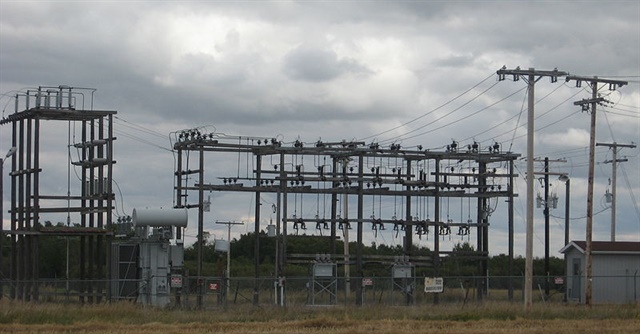
Demand for electric energy is rising, fueled by a boom in battery electric vehicle sales. Does the grid have the capacity to handle it? Photo:
Demand for electric energy is rising, fueled by a boom in battery electric vehicle sales. Does the grid have the capacity to handle it? Photo: Trekphiler via Creative Commons
'>Very few new power plants have been built in the U.S. in the past 10 years, yet demand for electric energy is rising, fueled by a boom in BEV sales. Does the grid have the capacity to handle it? The short answer is yes, but some adjustment may be necessary.
According to the U.S. Energy Information Administration, in 2016, about 4.08 trillion kilowatt/hours (kWh) of electricity were generated at utility-scale facilities in the United States. About 65% of this electricity generation was from fossil fuels (coal, natural gas, petroleum, and other gases), about 20% was from nuclear energy, and about 15% was from renewable energy sources. The EIA also estimates that an additional 19 billion kWh of electricity generation came from small-scale solar photovoltaic systems.
As more coal-fired plants are decommissioned (in 2016 coal accounted for about 30% of the nation's electricity production), wind and solar are filling that gap. But since demand for electricity is not constant throughout any 24-hour period, the time of day when the energy is required has a very large impact on the grid's ability to meet demand. The addition of a huge fleet of electric vehicles may appear to be problematic, but it could actually be a huge advantage to electricity producers.
One of the problems with our electric grid is that it has no storage capacity. Power generation and transmission must be continuously managed to match fluctuating customer load. So, if all our BEVs (and the growing fleet of commercial BEVs) were to be plugged in at once, it would be a big problem.
“Fortunately, many commercial fleets (especially final-mile delivery vehicles) are parked at night, which ...Read the rest of this story
It's your biggest fear. Here's how to conquer it.
There's 30 percent off his reelection merchandise