3 Ways Vocational Truck Specs are Changing
By Jack Roberts
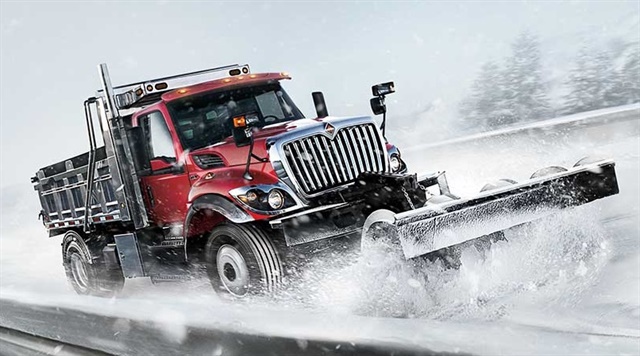
A wide range of engine options that allow fleets to spec for tough applications is one of the top trends in vocational trucking today. Photo: International
“>
The advent of new technologies such as autonomous and connected vehicles has put over-the-road fleets squarely in the national spotlight. But vocational fleets face many of the same operational issues, and they, too, increasingly are turning to new technologies and options to work more efficiently and profitability.
Some industry observers believe it will be in vocational fleets where we’ll see the first real-world tests of vehicle-to-vehicle communication, self-driving trucks, self-diagnosing powertrains and other new technologies. Volvo, in fact, recently predicted that refuse trucks working at a walking pace in residential neighborhoods may well be the general public’s first exposure to self-driving trucks.
For now, many cutting-edge medium- and heavy-duty vocational fleets are looking to more established, and often less flashy new technologies, to help them work smart and profitably. And three of those trends are gaining momentum.
<img src="http://www.automotive-fleet.com/fc_images/articles/m-freightliner-m2-vocational-1.jpg" border="0" alt="
Freightliner recently added to its medium-duty vocational power offerings with the launch of the new DD8 diesel engine. Photo: Freightliner
“>
1. Increased emphasis on safety
Advanced vehicle safety systems have become a common spec for over-the-road fleets. Yet vocational trucks may need them even more, says Ralph LoPriore, director of fleet assets and processes for Stoneway Concrete/Gary Merlino Construction in Seattle. His mixers and dumps spend far more time in tight city areas surrounded by passenger cars than the majority of OTR trucks. And given the increased congestion in and around Seattle, along with his younger, less experienced team of drivers, spec’ing advanced safety systems for his fleet was a no-brainer.
“I’m really working hard today to try to get as many of the same safety features on my trucks the over-the-road guys are already getting,” LoPriore says. “I’d like to …Read the rest of this story
