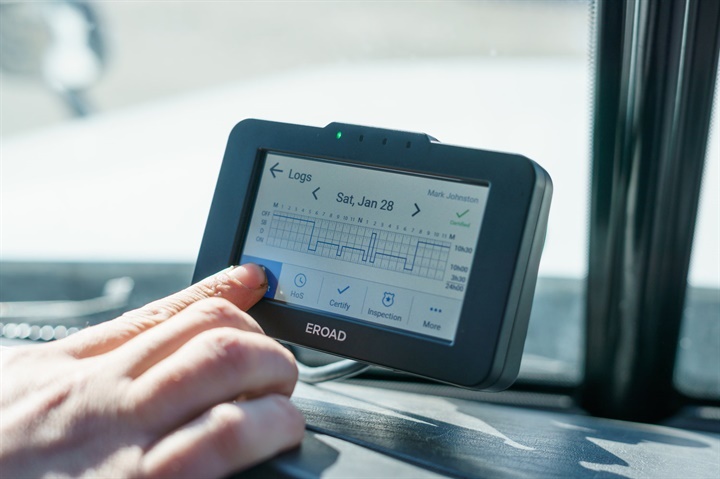
Why the ELD Mandate is a Problem for Temp Drivers

One of the shortcomings of the new electronic logging device mandate that goes into effect in December is that it causes problems for drivers who are working for a driver service or a temporary driver pool.
These drivers are unable to transfer their hours of service information from one carrier to another. Even though this probably applies to a relatively small group of drivers, it will cause them considerable inconvenience.
Related – ELDs: What Happens When You Have to Rent a Truck?
This is known in the ELD world as inter-operability, and in drafting its rule, FMCSA choose not to address it.
“Continental and others submitted comments requesting the agency address the issue of inter-operability, but that is as far as we got,” says Alexis Cappelle, ELD program manager for Continental Corp. “The standard addresses the electronic formatting of the data for export, for inspection, but it doesn’t require ELD providers to accept incoming data, so nobody has made provisions to accept data from one ELD brand to another.”
A driver working for Carrier A this week and Carrier B next week would have to print out the previous 7 or 14 days worth of logs from Carrier A and manually enter them into Carrier B’s ELD so the hours would all be accounted for. Paper copies of the last week’s logs might pass muster at a roadside inspection, but would be insufficient in an audit, because the Carrier B’s system would not show the hours worked by the driver in the previous week.
“The driver will have to get his or her RODS [records of duty status] from each fleet he or she is working for,” says Capelle. “To date there is no standard to exchange RODS information from one ELD system to another one, so the data import will have to be …Read the rest of this story
