Senators Reintroduce Bipartisan Vehicle Technology Bill
Photo: Peloton
“>
Photo: Peloton
“>
U.S. Senators Gary Peters (D-MI), Lamar Alexander (R-TN), and Debbie Stabenow (D-MI) have announced that they are reintroducing the Vehicle Innovation Act, which is aimed at encouraging investment, research, and development in clean vehicle and advanced safety technologies.
The authors of the bill argue that it could help Americans by increasing vehicle fuel efficiency and reducing our dependence on foreign oil. The three senators introduced similar legislation, the Energy Policy Modernization Act, in 2016, which was approved by the Senate. The House of Representatives then approved a version of that bill that included changes that were not in the Senate version. The changes between the two bills were never resolved so the legislation was never passed
The new Vehicle Innovation Act would strengthen and streamline the Department of Energy’s Vehicle Technologies Office. The Vehicle Technologies Office promotes public-private partnerships to conduct technology-neutral research and development on a range of new technologies to improve fuel efficiency in light-, medium- and heavy-duty vehicles. The bill supports domestic research and development, growing the advanced manufacturing industry in the U.S., and reducing dependence on foreign oil.
“Michigan and the United States are leading the way in developing innovative technologies that will make the next generation of cars and trucks safer and more efficient than ever before,” said Sen. Peters. “This bipartisan bill will help ensure that American manufacturers remain internationally competitive by encouraging the development of cutting-edge clean vehicle technologies that improve fuel efficiency, save consumers money and help support American jobs.”
The legislation would authorize resources for the Vehicle Technology Office to encourage research, including $313.6 million in funding for fiscal-year 2018 with a 4% increase each year through 2022.
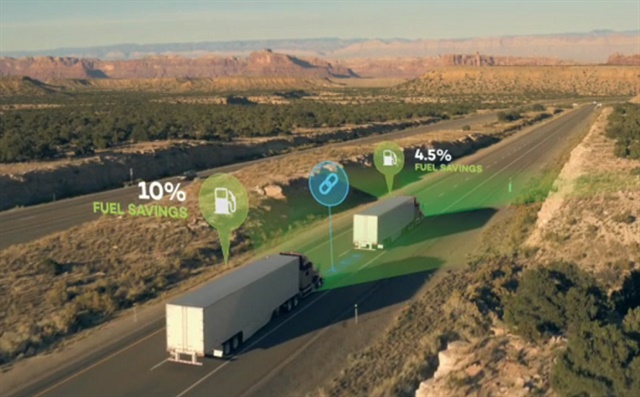
The money could be used to advance potential fuel –saving technologies such as vehicle-to-vehicle and vehicle-to-infrastructure communications, hybrids, engine downspeeding, power pack modeling and testing, advanced …Read the rest of this story
