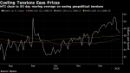
 (Bloomberg) — Oil was steady after the biggest weekly drop since July as an easing of geopolitical tension in the Middle East turned attention back to a flood of new supply set to hit the market this year.The threat of an outright war has receded since Tehran fired missiles at U.S.-Iraqi bases last week in retaliation for Washington’s assassination of its top general. The situation in Iran remains volatile, however, amid protests against the government’s accidental downing of a commercial airliner. In Libya, warring factions have called a cease-fire in their nine-month conflict.Oil prices are now back where they were in mid-December, with the market seemingly shrugging off the chance of more disruptions in the Persian Gulf. The lack of a geopolitical risk premium is partly due to plentiful supplies of U.S. shale and a torrent of new crude from non-OPEC countries including Brazil and Norway. On the demand side, the U.S. and China are set to sign their limited trade deal this week, which may improve sentiment.See also: How the Market Learned to Live With a Middle East in Flames“Without Iran-related energy disruption, additional non-OPEC supply will comfortably exceed demand, placing downward pressure on prices,” Stephen Innes, Asia Pacific Market Strategist at AxiTrader, said in a note. Hopes of a U.S. inventories draw may support prices this week, he said.West Texas Intermediate crude for February delivery declined 1 cents to $59.03 a barrel on the New York Mercantile Exchange as of 9:57 a.m. in Singapore. The contract fell 6.4% last week, the most since July 19.Brent futures for March settlement dropped 4 cents to $64.94 a barrel on the ICE Futures Europe Exchange after losing 5.3% last week. The global crude benchmark traded at a $5.96 premium to WTI for the same month.\–With assistance from James Thornhill.To contact the reporter on this story: Elizabeth Low in Singapore at [email protected] contact the editors responsible for this story: Serene Cheong at [email protected], Andrew Janes, Ben SharplesFor more articles like this, please visit us at bloomberg.com©2020 Bloomberg L.P.
