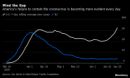
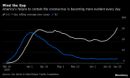
(Bloomberg) -- Oil kept falling after just its second weekly drop since April as coronavirus infections and fatalities surpassed grim milestones in a reminder the outbreak is far from under control in many parts of the world.Futures in New York fell below $38 a barrel after losing 3.2% last week. Deaths from the pandemic topped half a million, cases rose past 10 million and a United Nations agency reported the most infections for a single day. A surge in cases across the southern and western U.S. is causing states including Texas to reinstate measures to halt its spread, threatening the outlook for oil demand.Prices would likely be falling further if it wasn’t for efforts by the OPEC+ alliance to restrict production. Iraq -- a habitual laggard when it comes to supply cuts -- is reassessing contracts to pump crude at fields where costs are high as it tries to contain expenses...
(Bloomberg) -- Asian stocks and U.S. equity futures slipped Monday after deaths around the world from the coronavirus topped half a million and infections continued to mount in American states. Crude oil fell.Stocks fell in Japan and Australia and S&P 500 contracts dipped. South Korean shares and the won retreated after the country’s finance minister ruled out another budget for this year. Treasuries edged higher. Chinese markets are due to reopen after a two-day holiday, with data over the weekend showing more signs the economy is continuing to recover from its shutdown.Investors are bracing for a continuation of last week’s risk-off sentiment as coronavirus cases surpassed 10 million globally and a resurgence in the U.S. continues to batter states likes Texas, Arizona and Florida. Providing some respite from the negative news, China’s industrial companies saw the first monthly increase in profits since November.“The recovery is going to be much slower and...
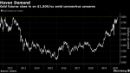
(Bloomberg) -- Gold futures edged closer toward $1,800 an ounce -- a level last seen at the end of 2011 -- as demand for haven assets surged amid concerns over rising coronavirus infections.Bullion rose as deaths surpassed 500,000 worldwide and confirmed cases exceeded 10 million, according to Johns Hopkins University data. The increasing numbers are a chilling reminder that the deadliest pandemic of the modern era is stronger than ever.The precious metal has rallied 17% this year as governments and central banks implemented stimulus measures to aid economies battered by the pandemic’s impact. Investors are increasingly turning to gold as a store of wealth, and banks including Goldman Sachs Group Inc. now forecast it’ll hit a record $2,000 an ounce in 12 months.Gold futures on the Comex rose as much as 0.6% to $1,790.40 an ounce, near the highest level in more than seven years, and traded at $1,788.30 at 6:20...
It will be a shortened trading week with major markets closed Friday in observance of the Fourth of July holiday. Investors will be closely monitoring the recent resurgence in COVID-19 cases across a handful of states and the big June jobs report due out Thursday....
Stock futures sank Sunday evening as a rising number of states across the country reimposed social distancing standards to try and curb increases in coronavirus case counts....
(Bloomberg) -- U.S. equity futures fell at the open Monday after deaths around the world from the coronavirus topped half a million and infections continued to mount in American states. Crude oil fell.S&P 500 futures opened about 0.6% down and contracts in Japan and Australia pointed lower. In currencies, the Australian dollar saw a modest decline. Providing some comfort was data over the weekend providing more signs the Chinese economy is continuing to recover from its shutdown. Chinese markets reopen after a two-day holiday.Last week’s risk-off stance could endure as coronavirus cases surpassed 10 million and a resurgence in the U.S. continues to batter states likes Texas, Arizona and Florida. Meantime, in China, industrial companies saw the first monthly increase in profits since November.“Markets have taken a breather on the reopening but not entirely priced out the progress,” said Ben Emons, managing director for global macro strategy at Medley Global Advisors.On...
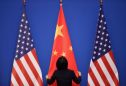
(Bloomberg) -- The U.S. and China are moving beyond bellicose trade threats to exchanging regulatory punches that threaten a wide range of industries including technology, energy and air travel.The two countries have blacklisted each other’s companies, barred flights and expelled journalists. The unfolding skirmish is starting to make companies nervous the trading landscape could shift out from under them.“There are many industries where U.S. companies have made long-term bets on China’s future because the market is so promising and so big,” said Myron Brilliant, the U.S. Chamber of Commerce’s head of international affairs. Now, they’re “recognizing the risk.”China will look to avoid measures that could backfire, said Shi Yinhong, an adviser to the nation’s cabinet and a professor of international relations at Renmin University in Beijing. Any sanctions on U.S. companies would be a “last resort” because China “is in desperate need of foreign investment from rich countries for both economic...