Air disc brakes now standard on International LT trucks
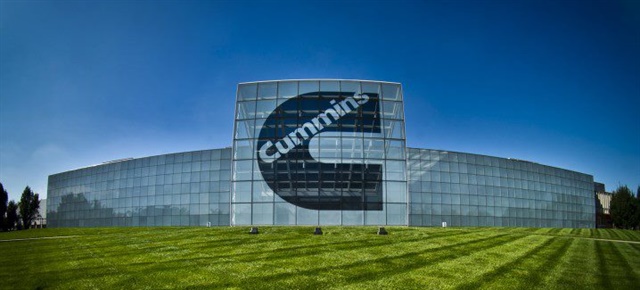
In the long term, Cummins officials say electrification will come to every market segment it serves today in one form or another. Photo: Cummins
">In the long term, Cummins officials say electrification will come to every market segment it serves today in one form or another. Photo: Cummins
">Cummins announced that it will have a fully developed, all-electric powertrain available and on the road for customers in 2019, with a range-extended electric vehicle coming in 2020. The company made the announcement during a conference call Wednesday evening.
Tom Linebarger, Cummins chairman and CEO, noted in opening remarks that the transportation industry is at “critical juncture” today. “We understand that electrification is coming and that the world is changing,” Linebarger said. “Regulations and a technological point of view are driving these changes, and we think that means opportunity. Cummins is a power technology company. We will continue to innovate with new technology and look for ways to disrupt ourselves, instead of having our competitors disrupt us. We will bring the right technology to markets – not just trucking -- that will help our customers win while being a leader provider of those products in the future.”
Julie Furber, executive director of Cummins' electrification business, said the company will leverage its knowledge and capability to offer entirely new powertrain solutions in the future for commercial and industrial markets. This initiative will begin next year with the introduction of a fully electric transit powertrain, closely followed by an extended-range electric vehicle in 2020.
In an email to investors, financial advisory firm Stifel noted, "To us, that's a big deal as it demonstrates the company is further along than was previously known in addressing what is likely its single biggest long-term risk: that electric will replace diesel as the dominant fuel source for commercial vehicle powertrains."
“At Cummins, we think we know things about electrification our competitors do not,” Furber said. “In the short term, we believe electrification will come to transit bus, ...Read the rest of this story
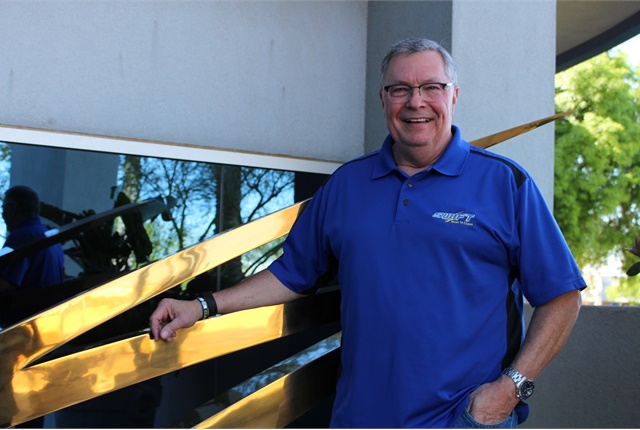
Scott Barker has moved from vice president of safety, driver recruiting, and driver development at Swift to a new post dedicated to driver engagement. Photo: Swift
">Scott Barker has moved from vice president of safety, driver recruiting, and driver development at Swift to a new post dedicated to driver engagement. Photo: Swift
">Swift Transportation recently created a new position – vice president of driver engagement – and named Scott Barker to the role. With nearly 40 years of experience ranging from spotting yard tractors and being a UPS delivery driver to safety, training and development, Barker is practically giddy about the chance to really make a difference for Swift's 20,000 drivers.
HDT talked to Barker about the new role. This interview has been lightly edited for length and clarity.
HDT: What led to the creation of this new role?
Barker: We have been talking about this for about a year, and in that process we just believe that we needed somebody whose sole focus was on the driver, and the relationship of the driver with the driver support team. It was important to us that we build that position and fill it with somebody who had a relationship with a lot of the drivers already and could either learn or already know about how the driver support teams work.
HDT: So how DO driver support teams work? What is that?
Barker: [Swift founder] Jerry Moyes used to say there are really only two types of people at swift — drivers and those who support drivers. So by definition our driver support teams are all the back office employees, the functions in the shops, and anybody whose job is to help support drivers, whether it's driver payroll or driver training or driver recruiting teams or HR, any of the teams that do not actually drive the truck are by definition driver support.
HDT: So that's a lot of people. How many drivers does Swift have?
Barker: We have around 20,000 drivers.
HDT: How do ...Read the rest of this story
A United Parcel Service driver who opened fire during a meeting with co-workers had filed a grievance that he was working excessive overtime and appeared to specifically go after the three drivers he killed ...